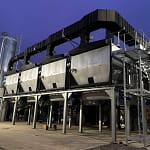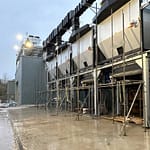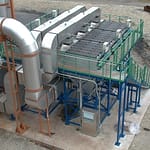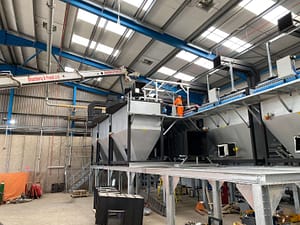




Hot gas filtration systems — particularly those using ceramic elements — are designed for reliability under extreme conditions. Operating above 400°C, these filters remove PM2.5 and fine particulates while withstanding thermal cycling, aggressive dusts, and high flow rates. But while ceramic filters offer long service life and stable performance, failures can still occur if system design, maintenance, or operating conditions fall short.
This article examines the most common signs of filtration failure in high-temperature industrial environments, the root causes behind them, and how engineers can diagnose and prevent costly disruptions. Whether you’re running biomass gasification, pyrolysis, or energy-from-waste systems, understanding failure modes is key to maintaining performance.
Early Warning Signs of Filter Trouble
High-efficiency ceramic filters rarely fail catastrophically without warning. Most problems begin with subtle changes in performance. Common indicators include:
- Unexpected rise in differential pressure across the filter housing, even at normal flow
- Sudden breakthrough of fine dust downstream, potentially triggering alarms or visible emissions
- Increased compressed air consumption from excessive backpulse cycles
- Dust accumulation in hopper with poor flow or bridging
- Uneven temperature readings or hot spots inside the filter vessel
These issues typically indicate one of three main failure modes: excessive dust loading, ineffective cleaning, or housing-related issues such as leaks or condensation.
Root Causes of High-Temperature Filter Failure
1. Dust Overload and Inlet Maldistribution
If the filter sees more dust than it was designed to handle — either due to upstream equipment failure or higher process throughput — the dust cake builds too quickly. This leads to sustained high pressure drop and eventual clogging. Poor inlet design can compound this issue, causing uneven distribution of gas across the element bank and overloading specific filters.
2. Inadequate Backpulse Cleaning
Ceramic elements rely on compressed air pulses to remove collected particulate. If pulse pressure, timing, or nozzle alignment is incorrect, cleaning will be inconsistent. This results in “blinding” of elements, where dust cannot be removed effectively, and pressure builds. The issue may stem from compressor faults, solenoid valve failures, or inappropriate cleaning logic.
3. Gas Chemistry and Condensation
High-moisture or tar-rich gases can cause condensation inside the housing if temperature drops below dew point. This creates sticky layers that trap dust and prevent cleaning. In some cases, tars or acid vapours attack gaskets or housing internals, leading to seal failures or corrosion. Keeping the system above minimum gas temperatures is essential to prevent this type of failure.
4. Housing Leaks and Thermal Cycling
Small air ingress points, particularly at flanges or manways, can allow ambient air into the housing. This introduces cold spots and disrupts flow, leading to localised condensation or filter element cracking. Repeated thermal cycling can loosen gaskets, distort flanges, or shift internal parts if not designed to expand evenly.
Case Study: Diagnosing a Spike in Pressure Drop
In one verified installation at a waste wood gasification site, operators noted a sudden increase in pressure drop from 90 mbar to 160 mbar across the ceramic filter housing. Flow remained steady at 7,500 m³/h, and no alarm triggered from the backpulse system.
A step-by-step inspection revealed the following:
- Pulse air receiver pressure had dropped below 5 bar due to compressor valve fault
- Cleaning pulse duration had been reduced during previous reprogramming
- Downstream inspection port revealed uneven dust cake on several elements
Corrective actions included restoring air pressure, adjusting pulse duration, and rotating element positions during scheduled shutdown. Within 48 hours, pressure drop stabilised and dust emissions returned to normal levels.
Preventing Filtration Failures at the Design Stage
While ceramic filters are robust, long-term reliability depends on getting the system design right from the beginning. Key design principles include:
– Ensure proper gas distribution with baffles or flow diffusers
– Maintain insulation throughout ductwork and housing
– Specify sufficient pulse air capacity for backcleaning
– Design hoppers for free-flowing mineral or carbon dust
– Allow for maintenance access and real-time monitoring of pressure, temperature, and emissions
Glosfume’s custom filtration systems incorporate these considerations into every plant design, from compact pilot rigs to multi-line production sites.
Proactive Maintenance and Monitoring
Once installed, routine maintenance is minimal — but crucial. Operators should log daily pressure drop and note deviations from normal pulsing patterns. Unexpected backpulse frequency increases or differential pressure creep usually indicate a cleaning issue. Visual inspections during planned outages help identify early signs of dust accumulation or gasket degradation.
Installing temperature probes and pressure sensors at key points provides operators with real-time alerts to catch minor problems before they lead to failure. Many users also install inline particle monitors or stack sensors to track emission levels in real time.
Ceramic filtration offers a long-term solution for hot gas emissions control, but performance depends on consistent operating conditions, effective cleaning, and good design. By understanding the warning signs and causes of failure, engineers can keep systems running safely and efficiently.
From metals and mining to biomass energy, ceramic filters are becoming the standard in harsh environments. Proactive monitoring and thoughtful system design ensure they continue delivering results for years without disruption.