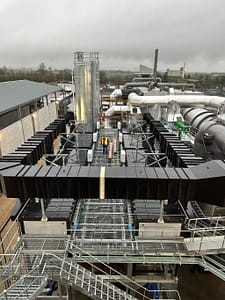




Hydrogen production through reforming, gasification, and pyrolysis continues to play a pivotal role in decarbonisation strategies worldwide. These thermal processes are highly efficient at generating hydrogen-rich syngas, but they also produce particulate-laden hot gas streams that must be treated before entering downstream purification stages. High-temperature filtration — particularly using ceramic media — is increasingly recognised as a critical enabler of both system reliability and gas purity.
This article explores the use of ceramic filters in hydrogen production systems, including why they’re chosen, how they integrate into modular units, and what real-world results confirm their effectiveness.
The Importance of High-Temperature Filtration
In most thermal hydrogen processes, including steam methane reforming and biomass gasification, the raw syngas contains fine particulates such as soot, ash, char, and metal oxides. If left untreated, these particles can cause serious damage to catalysts, clog PSA beds, and reduce membrane efficiency. Wet scrubbers introduce condensation risks and effluent issues, while bag filters simply cannot tolerate the temperatures involved — typically ranging from 400°C to 900°C. For these reasons, a dry, high-temperature filtration solution is essential between the gas reactor and downstream gas cleaning or compression equipment.
Why Ceramic Filters Are Used
Ceramic filtration technology is designed to operate continuously at elevated temperatures, often up to 1000°C. These rigid elements filter particles down to submicron levels using surface filtration, and they can be regenerated online through pulse-jet cleaning systems. Unlike bag filters, ceramics do not burn, degrade, or release fibres, and they operate without any need for water, chemicals, or moving mechanical parts inside the hot zone.
The result is a filter system that delivers consistent pressure drop and long service life — typically two to five years — under harsh process conditions. Ceramic filters also make it possible to recover filtered dust in dry form, which is especially valuable in processes aiming for material recovery or zero-liquid-discharge operation.
Case Study: Fly Ash Removal at 850°C
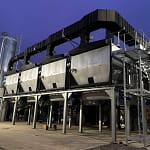
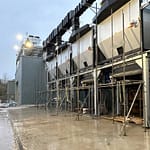
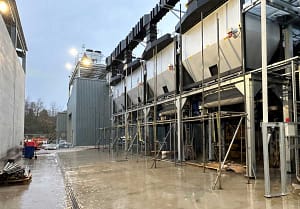
A confirmed example of ceramic filter performance comes from a waste wood combustion plant operating at 850°C. The facility processed around 8,000 m³/h of hot gas containing mineral-rich ash and fine carbon residues. Glosfume’s ceramic filtration system was installed to replace a wet scrubbing solution that required continuous water use and sludge disposal.
The ceramic filters reduced particulate emissions to below 1 mg/m³ and enabled the recovery of over 90% of fly ash in dry form. The system ran continuously for more than 36 months without requiring media replacement or excessive maintenance. The success of this installation provides a strong reference case for ceramic filters used in biomass-based hydrogen production or any application requiring dry, high-efficiency filtration at temperature.
Selecting the Right Ceramic Element: G3 vs S4
Choosing the correct ceramic element is vital for ensuring long-term filtration performance. Glosfume offers two main grades for hydrogen applications. G3 elements are the standard choice for general high-temperature syngas cleaning. They perform well under thermal cycling, are resistant to mechanical fatigue, and provide excellent particulate removal in biomass or natural gas-based systems.
S4 elements are designed for chemically aggressive gas streams — particularly those containing chlorides, sulphur compounds, or halogenated hydrocarbons. This grade is commonly specified when dealing with waste-derived feedstocks, treated wood, or other non-traditional inputs. Selecting S4 elements ensures longevity and structural integrity even when exposed to corrosive vapours at high temperature.
Filter Housing Integration for EPC Contractors and Skid Builders
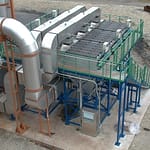
For engineering teams developing modular hydrogen systems — including reformers, gasifiers, and pyrolysers — ceramic filtration must be treated as a core part of the process design, not an afterthought. Filter housings can be configured either vertically or horizontally, depending on dust discharge needs and available headroom. This flexibility is particularly useful when working within containerised units or dense skid frameworks.
Insulation around the housing is critical to prevent thermal losses and maintain gas temperature before purification. Fabrication materials must also be selected to withstand the temperature and chemistry of the gas stream. Stainless steel is often suitable, though higher-grade alloys may be needed in halide-rich or sulphur-laden environments.
From a controls perspective, ceramic filters require connection to the plant’s automation system to manage pulse cleaning cycles. This is typically done through differential pressure monitoring and solenoid-actuated pulse manifolds, which deliver compressed air bursts to clean each filter element without halting gas flow. Including temperature sensors and flow alarms as part of the instrumented package ensures smooth operation and early warning for filter performance shifts.
Utilities are minimal. The filters require instrument-grade compressed air for backpulsing, but no water or reagent input is needed. Dust is discharged via gravity through hoppers and can be collected continuously or batch-wise, depending on site requirements. For transportable systems, ceramic filter housings are often integrated on vibration-isolated frames with lifting points and full FAT-tested assemblies, allowing easy deployment to decentralised hydrogen sites or pilot plants.
Comparison with Other Technologies
Several alternatives exist for particulate removal, but none match ceramic filtration in hydrogen applications. Bag filters cannot withstand the required temperatures, and their fibrous media degrades quickly under high flow and pulse conditions. Wet scrubbers, while capable of reducing dust load, introduce condensation challenges and require significant water handling infrastructure — which adds complexity, weight, and maintenance demands to modular hydrogen skids.
Metal candles are sometimes used, but their filtration efficiency is generally lower than ceramic elements, and their mechanical strength decreases over time due to high-temperature oxidation. They also struggle with very fine PM2.5 capture and may not meet the strict emission standards or hydrogen purity targets set by regulators and offtakers.
Downstream Impact: Purity and Catalyst Protection
Effective filtration upstream of purification units is essential to ensure consistent hydrogen quality. PSA beds, membranes, and methanation catalysts are all highly sensitive to particulate contamination. Blockages, fouling, and uneven flow caused by dust ingress can reduce separation efficiency, shorten catalyst life, and cause unplanned outages.
By installing ceramic filtration at the high-temperature stage, operators create a dry, robust barrier that protects the rest of the plant. The result is not just regulatory compliance — it’s greater stability, improved hydrogen purity, and lower lifecycle costs.
Ceramic filtration is no longer optional for hydrogen producers relying on high-temperature conversion technologies. Whether you are designing a full-scale SMR unit or a pilot pyrolysis plant, selecting the right ceramic filters and integrating them correctly delivers proven results — clean gas, reliable operation, and long-term emissions control. With more hydrogen projects seeking modular, dry, and efficient systems, ceramic filtration is increasingly becoming standard equipment in the next generation of clean energy plants.