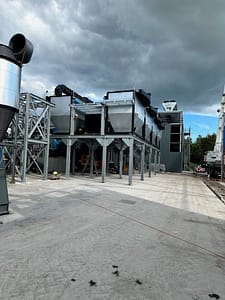




Hot gas filtration systems are an integral part of many industrial processes, ensuring the removal of impurities and contaminants from gas streams. However, dealing with such systems can pose significant risks if proper safety measures are not in place. In this article, we will explore the importance of safety in hot gas filtration systems and discuss essential safety protocols that should be followed. We will also delve into the significance of training and awareness for operational safety. Finally, we will examine how to implement safety practices in your organization and discuss the future of safety in hot gas filtration systems.
Understanding the importance of safety in hot gas filtration systems
When it comes to working with hot gas filtration systems, safety should always be a top priority. These systems involve high temperatures, pressure differentials, and, in some cases, the presence of hazardous substances. Proper safety protocols must be followed to ensure the well-being of personnel and the integrity of the system.
Hot gas filtration systems are essential in various industries, including power generation, chemical processing, and manufacturing. They help remove particulate matter and pollutants from gas streams, improving air quality and protecting equipment. However, the operation of these systems comes with inherent risks that must be carefully managed to prevent accidents and ensure efficient performance.
The role of safety protocols in system maintenance
Safety protocols play a crucial role in the maintenance of hot gas filtration systems. Regular inspections and preventive maintenance can help identify potential issues before they escalate into safety hazards. By adhering to established safety protocols, system operators can minimize the risk of accidents and ensure the smooth operation of the filtration system.
Furthermore, proper training of personnel is essential to ensure that they understand the risks associated with hot gas filtration systems and know how to operate the equipment safely. Training programmes should cover topics such as emergency procedures, hazard recognition, and the use of personal protective equipment. Investing in training can significantly reduce the likelihood of accidents and improve overall safety performance.
The potential risks of improper handling
Improper handling of hot gas filtration systems can lead to serious accidents, such as combustion, explosions, or toxic gas leaks. It is imperative to understand the risks associated with these systems and take appropriate measures to mitigate them. Failure to do so can have severe consequences for both personnel and the surrounding environment.
Additionally, regular risk assessments should be conducted to identify any new hazards that may arise due to changes in operating conditions or system modifications. By staying vigilant and proactive in risk management, organisations can create a safer working environment and prevent costly incidents that could impact both human lives and business operations.
Essential safety protocols for hot gas filtration systems
To maintain a safe working environment when dealing with hot gas filtration systems, certain safety protocols must be followed consistently. These protocols include:
Key safety measures for system handling
When it comes to handling hot gas filtration systems, the importance of wearing appropriate personal protective equipment (PPE) cannot be overstated. Heat-resistant gloves, goggles, and protective clothing are essential to safeguarding workers from potential burns and other hazards. Additionally, ensuring proper ventilation in the working area is crucial to prevent the accumulation of combustible gases or fumes, which could pose serious health risks.
Implementing lockout/tagout procedures is another critical safety measure when performing maintenance or repairs on hot gas filtration systems. This practice involves isolating the system from energy sources to prevent unexpected start-ups, reducing the risk of accidents. Using proper lifting techniques and equipment is also paramount to avoid injuries during system installation or relocation, promoting a safer working environment for all involved.
Maintenance procedures to ensure safety
- Regularly inspecting the filtration system for signs of wear, corrosion, or leaks is essential to prevent potential breakdowns or malfunctions that could compromise safety and efficiency.
- Adhering to recommended maintenance schedules for cleaning, replacing filters, and lubricating moving parts is key to prolonging the lifespan of the system and ensuring optimal performance.
- Conducting thorough risk assessments to identify potential safety hazards and developing appropriate mitigation strategies is crucial in mitigating risks and enhancing workplace safety.
- Providing adequate training to personnel involved in system maintenance is vital to ensure they are well-informed about the specific risks associated with hot gas filtration systems and are proficient in following safety procedures.
By prioritising these safety protocols and maintenance procedures, organisations can create a safer working environment for employees and mitigate the risks associated with hot gas filtration systems.
Training and awareness for operational safety
Proper training and awareness are essential for maintaining operational safety in hot gas filtration systems. Personnel involved in operating and maintaining these systems should receive regular training to ensure they are up to date with the latest safety practices.
Ensuring that employees are well-versed in the intricacies of hot gas filtration systems is paramount to the smooth and safe operation of industrial processes. Regular training not only imparts knowledge about safety protocols but also instils a sense of responsibility towards maintaining a secure working environment for all personnel involved.
The significance of regular safety training
Regular safety training sessions help reinforce the importance of following safety protocols and provide an opportunity to address any questions or concerns. By staying informed about best practices and receiving ongoing training, personnel are better equipped to handle potential safety issues and respond appropriately in emergency situations.
Moreover, consistent training fosters a culture of safety within the organisation, where employees are encouraged to actively participate in identifying and mitigating risks. This proactive approach not only enhances operational safety but also boosts employee morale and engagement.
Raising awareness about potential hazards
Apart from training, it is crucial to raise awareness among personnel about potential hazards associated with hot gas filtration systems. This can be achieved through training sessions, safety bulletins, and regular communication. When employees are well-informed about the risks involved, they can actively contribute to maintaining a safe working environment.
Furthermore, creating a forum for open discussions and feedback regarding safety concerns can empower employees to voice their observations and suggestions for improvement. This collaborative approach not only enhances safety awareness but also fosters a sense of ownership and accountability among team members, leading to a more vigilant and safety-conscious workforce.
Implementing safety practices in your organization
Implementing safety practices in your organization requires a systematic approach that involves various stakeholders. Here are some steps to help you integrate safety protocols effectively:
Ensuring the safety of employees and visitors within your organisation is paramount. By implementing robust safety practices, you not only comply with legal requirements but also create a secure environment that fosters productivity and well-being. It is crucial to establish a safety culture that prioritises the well-being of all individuals involved in your operations.
Steps to integrate safety protocols
- Establish a safety committee comprising representatives from different departments to oversee safety practices.
- Perform comprehensive risk assessments to identify potential safety hazards.
- Develop and document standard operating procedures (SOPs) that outline safety protocols for operating and maintaining hot gas filtration systems.
- Provide adequate training to personnel and ensure they have access to necessary safety equipment.
Regularly reviewing and updating safety protocols is essential to adapt to changing circumstances and technologies. By staying informed about the latest safety standards and best practices, your organisation can proactively address potential risks and enhance overall safety performance.
Monitoring and improving safety practices
Monitoring safety practices is essential to ensure their effectiveness. Regular audits and inspections can help identify areas for improvement and allow for the implementation of corrective measures. By fostering a culture of continuous improvement, organizations can continuously enhance their safety practices and minimize the risk of accidents.
Engaging employees in safety initiatives and encouraging them to report any safety concerns or near misses can further strengthen your organisation’s safety culture. By promoting open communication and a proactive approach to safety, you empower your workforce to actively contribute to the ongoing improvement of safety practices.
The future of safety in hot gas filtration systems
The field of safety in hot gas filtration systems is continuously evolving. Advances in technology and stricter regulations are driving the development of innovative safety measures. Here are two key aspects that are shaping the future of safety in such systems:
Innovations in safety technology
New safety technologies, such as advanced monitoring systems and automated safety controls, are being developed to enhance safety in hot gas filtration systems. These technologies offer real-time monitoring, early warning systems, and rapid response capabilities, reducing the risk of accidents and improving overall system safety.
One exciting innovation in safety technology is the use of artificial intelligence (AI) algorithms to analyze data from monitoring systems. These algorithms can detect patterns and anomalies in the data, allowing for proactive identification of potential safety risks. By continuously learning from the data, AI-powered safety systems can adapt and improve over time, making them even more effective in preventing accidents.
Another area of innovation is the development of smart sensors that can detect hazardous gases and particles in real-time. These sensors can provide instant alerts when dangerous levels are detected, allowing for immediate action to be taken. Additionally, some smart sensors are equipped with self-cleaning mechanisms, ensuring accurate readings and reducing maintenance requirements.
The impact of regulations on safety practices
Regulatory bodies are increasingly focusing on safety standards for hot gas filtration systems. Stricter regulations are being implemented to ensure that organizations comply with prescribed safety protocols. Keeping abreast of regulatory changes and proactively implementing safety measures will be vital for organizations to maintain compliance and ensure the safety of their personnel and operations.
One notable regulation that has had a significant impact on safety practices is the European Union’s Industrial Emissions Directive (IED). This directive sets out stringent requirements for the operation and maintenance of industrial installations, including hot gas filtration systems. It mandates regular inspections, risk assessments, and the implementation of safety management systems. Compliance with the IED not only ensures the safety of personnel but also helps organizations build trust with stakeholders and demonstrate their commitment to environmental protection.
Furthermore, regulatory bodies are increasingly encouraging a culture of safety within organizations. They emphasize the importance of creating a robust safety management system that involves all levels of the organization, from top management to frontline workers. This approach fosters a sense of responsibility and accountability for safety, ensuring that everyone is actively involved in identifying and mitigating risks.
In conclusion, safety practices for handling and maintaining hot gas filtration systems are essential to protect personnel and prevent accidents. By understanding the importance of safety, following essential safety protocols, providing training and raising awareness, organizations can create a safe working environment. Implementing safety practices requires a systematic approach, monitoring, and continuous improvement. The future of safety in these systems lies in technological advancements and stricter regulations. By embracing innovation and staying abreast of regulatory changes, organizations can ensure the safety of their operations and personnel.