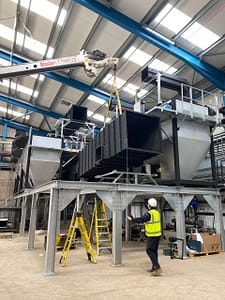




Regular maintenance is crucial for ensuring optimal performance and extending the lifespan of hot gas filters in industrial processes. By understanding the importance of regular hot gas filter maintenance, establishing a routine for checks, and implementing preventative measures, operators can keep filters in top condition and avoid common issues. In this article, we will explore the role of hot gas filters, the impact of poor maintenance, and provide effective solutions for common filter issues.
Understanding the importance of regular hot gas filter maintenance
Hot gas filters play a vital role in industrial processes by removing particulate matter and contaminants from gas streams. They are designed to operate under high temperatures and handle corrosive substances, making them susceptible to wear and tear. Regular maintenance is essential to ensure that these filters continue to operate efficiently and effectively.
Ensuring the longevity and optimal performance of hot gas filters requires a comprehensive maintenance schedule that includes regular inspections, cleaning, and replacement of worn-out components. By implementing a proactive maintenance strategy, industrial facilities can avoid costly downtime and maintain consistent production levels.
The role of hot gas filters in industrial processes
Hot gas filters act as barriers, capturing solid particles and preventing them from entering downstream equipment or being released into the environment. They help maintain the integrity of industrial processes by preventing fouling, reducing equipment damage, and improving the overall efficiency of operations.
Furthermore, hot gas filters contribute to environmental protection by ensuring that harmful pollutants are effectively removed from gas streams before being discharged into the atmosphere. This not only helps companies comply with stringent environmental regulations but also demonstrates a commitment to sustainable and responsible manufacturing practices.
The impact of poor maintenance on filter performance and lifespan
Neglecting hot gas filter maintenance can have severe consequences. Accumulated debris and corrosion can clog the filter medium, reducing airflow and causing pressure drops. This not only compromises filter performance but can also lead to increased energy consumption and decreased productivity. Additionally, poor maintenance accelerates wear and tear, shortening the filter’s lifespan and requiring premature replacements, which can be costly.
Regular maintenance tasks such as filter element replacement, cleaning of internal components, and monitoring of differential pressure levels are crucial to preserving the efficiency and longevity of hot gas filters. By investing in routine maintenance procedures, industrial facilities can avoid unexpected breakdowns, ensure consistent production output, and prolong the lifespan of their filtration equipment.
Establishing a routine for hot gas filter checks
To ensure optimal hot gas filter performance, it is essential to establish a regular maintenance routine. This includes determining the right frequency for routine checks and thoroughly inspecting key components.
When it comes to maintaining hot gas filters, a proactive approach can significantly impact the efficiency and longevity of the system. By implementing a structured routine for inspections and maintenance, operators can minimise downtime and reduce the risk of costly repairs or replacements.
Identifying the right frequency for routine checks
The frequency of routine checks depends on various factors, including filter type, operating conditions, and the presence of contaminants. Some filters may require daily inspections, while others may only need to be checked weekly or monthly. It is crucial to consult the manufacturer’s recommendations and consider the specific requirements of the industrial process.
In industries where production runs continuously or where the filters are subjected to high levels of particulate matter, more frequent checks may be necessary to ensure uninterrupted operation. Regular monitoring of filter performance can also provide valuable data for predicting maintenance needs and scheduling downtime effectively.
Key components to inspect during routine checks
During routine checks, certain components should be inspected carefully. This includes the filter medium for accumulation of contaminants, the housing for signs of corrosion or damage, seals and gaskets for leaks, and any connecting ductwork for blockages or leaks. Thorough inspections allow for early detection of potential issues, enabling prompt action and preventing further damage.
Additionally, monitoring the differential pressure across the filter can indicate the level of fouling and the need for cleaning or replacement. Understanding the operating parameters of the system, such as temperature and flow rate, is also crucial in maintaining filter efficiency and preventing unexpected failures.
Implementing preventative measures for hot gas filter maintenance
Preventative measures are crucial to maintaining optimal hot gas filter performance. By adopting a proactive approach, operators can effectively prevent common issues and extend the filter’s lifespan.
Hot gas filters play a vital role in various industrial processes, such as power generation, chemical production, and environmental protection. These filters are designed to remove particulate matter and contaminants from high-temperature gases, ensuring that downstream equipment remains protected and operational.
The benefits of a preventative approach to maintenance
A preventative maintenance approach helps minimize unexpected breakdowns, reduces downtime, and improves overall operational efficiency. By identifying and addressing potential problems before they escalate, operators can avoid costly repairs and ensure uninterrupted production.
Furthermore, a proactive maintenance strategy enhances workplace safety by reducing the risk of sudden equipment failures and associated hazards. It also promotes a culture of reliability and responsibility among maintenance teams, fostering a more efficient and sustainable operational environment.
Essential preventative measures for maintaining filter performance
Preventative measures include regular cleaning and replacement of filter media, monitoring and controlling operating conditions, installing appropriate protective coatings, and employing proper training for maintenance personnel. These measures help preserve filter integrity, optimize performance, and increase the longevity of hot gas filters.
In addition to these measures, conducting regular inspections and performance evaluations can provide valuable insights into the overall health of the filtration system. By analysing data trends and performance metrics, operators can proactively identify areas for improvement and implement targeted maintenance actions to enhance filter efficiency and reliability.
Recognising common issues with hot gas filters
Understanding the common issues that hot gas filters may encounter helps operators detect problems early and implement timely solutions.
Hot gas filters play a crucial role in various industrial processes, such as power generation, chemical production, and environmental control. These filters are designed to remove particulate matter and pollutants from high-temperature gas streams, ensuring compliance with emissions regulations and protecting downstream equipment.
Typical signs of filter problems
Filters that need attention often exhibit signs such as increased pressure differentials, reduced airflow, higher emissions, or irregular temperature patterns. These indicators should not be overlooked, as they are potential warning signs of underlying filter issues.
Regular monitoring and analysis of these parameters are essential to maintaining the efficiency and effectiveness of hot gas filters. By promptly addressing any deviations from normal operating conditions, operators can prevent costly downtime and potential environmental non-compliance.
Understanding the causes of common filter issues
Common filter issues can be attributed to factors such as improper maintenance, inadequate cleaning procedures, operating beyond design capacity, exposure to corrosive substances, or poor installation. Recognizing these causes helps operators address the root of the problems and prevent their recurrence.
Proper training of personnel responsible for filter maintenance and operation is crucial in mitigating common issues. By ensuring that staff are well-versed in best practices for filter care and operation, companies can prolong the lifespan of their equipment and maintain optimal performance levels.
Providing effective solutions for common hot gas filter issues
When hot gas filter issues arise, operators should have effective solutions in place to rectify the problems and ensure uninterrupted filtration.
Troubleshooting guide for common filter problems
A comprehensive troubleshooting guide should be available to maintenance personnel. This guide should outline step-by-step approaches to diagnose and resolve common issues, such as filter clogging, leaks, or mechanical failures. This empowers operators to take appropriate actions promptly and minimize downtime.
Long-term solutions for recurring filter issues
If recurring filter issues persist despite routine maintenance and troubleshooting, it may be necessary to explore long-term solutions. This may involve consulting with filter experts, upgrading equipment, modifying operating processes, or implementing advanced filtration technologies. Taking these steps can help resolve chronic filter issues and improve long-term performance.
Furthermore, it is important to consider the impact of operating conditions on hot gas filter performance. Factors such as temperature, pressure, and gas composition can significantly affect the efficiency and lifespan of the filters. Operators should carefully monitor these parameters and make adjustments as necessary to optimize filtration performance.
In addition to regular maintenance and troubleshooting, operators can also benefit from ongoing training and education. Staying up-to-date with the latest advancements in hot gas filtration technology and best practices can enhance operators’ ability to identify and address filter issues effectively. By investing in continuous learning, operators can become more proficient in maintaining and optimizing hot gas filters, ultimately leading to improved operational efficiency.
Moreover, it is worth noting that collaboration with filter manufacturers and suppliers can be invaluable in resolving complex filter issues. These experts possess in-depth knowledge of their products and can provide valuable insights and recommendations tailored to specific operational requirements. Engaging in open communication and building strong partnerships with filter experts can ensure that operators have access to the necessary support and expertise when tackling challenging filter problems.
In conclusion, regular hot gas filter maintenance is essential for optimal performance and extended lifespan. By understanding the importance of maintenance, establishing a routine for checks, implementing preventative measures, recognizing common issues, and providing effective solutions, operators can ensure the smooth operation of hot gas filters and achieve maximum efficiency in their industrial processes. Remember, a proactive approach to maintenance is key to preventing problems and avoiding costly repairs in the long run.