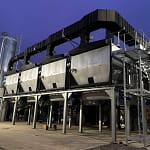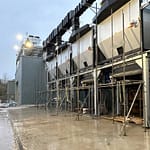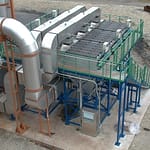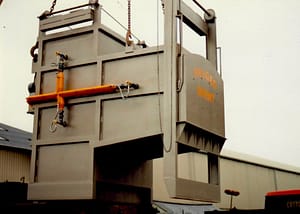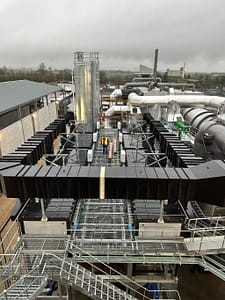




Hot gas filtration systems serve as a critical component in various manufacturing processes, ranging from metal fabrication to chemical synthesis. Their role in decreasing pollutants and particulate matter cannot be overstated, thereby highlighting their importance in the running of industrial operations
Introduction to High-Temperature Air Filtration
Hot gas filtration technologies are engineered to withstand and purify air at elevated temperatures. The effectiveness of these systems is in their ability to be consistent in harsh conditions, ensuring that both particulate and gaseous contaminants are effectively removed.
Understanding the Need:
In industrial settings, there are high levels of air pollutants, creating the need to adopt sophisticated air filtration mechanisms. High-temperature air filters are necessary for operations within environments exceeding standard temperatures.
These systems, through advanced filtration media, ensure the removal of pollutants, protecting critical manufacturing processes. As such , their usage not only decreases environmental impact but also improves machinery efficiency, resulting in higher levels of productivity and lower operational costs.
Importance for Industrial Manufacturers
- Hot gas filtration systems play a key role in lowering volatile organic compounds (VOCs) and hazardous air pollutants (HAPs) emissions, thereby directly contributing to the reduction of an enterprise’s carbon footprint.
- The deployment of these advanced filtration technologies facilitates the maintenance of strict quality control standards. This is crucial for industries, such as pharmaceuticals and food processing, where contamination can have dire consequences.
- Enhancements in filter media have led to the development of filters capable of operating efficiently for extended periods, even in high-temperature conditions. This innovation not only optimises operational throughput but also significantly lowers maintenance and replacement costs.
- From an engineering perspective, integrating high-temperature air filtration systems increases the overall reliability and performance of manufacturing equipment. By protecting sensitive components from contamination, these systems prolong equipment lifespan and minimise downtime.
- On an environmental note, the adoption of such technologies emphasises a commitment to sustainable manufacturing practices. By effectively capturing and eliminating pollutants, industries demonstrate their dedication to preserving air quality and protecting public health.
Types of High-Temperature Air Filtration Technologies
Several innovative technologies are used to filter air at high temperatures:
- Ceramic Filters: These are made of porous ceramic materials capable of withstanding temperatures up to 900°C, making them ideal for use in high temperature environments . Their stability and efficiency in filtering particulates are unmatched when operating under such conditions. The structural integrity of ceramic filters guarantees long-term durability and resistance to thermal shock.
- Metallic Filters: Us()ing sintered metals or alloy-based media, metallic filters excel in environments where temperature and pressure conditions exceed the capabilities of traditional fabric filters. Their robustness and resilience to corrosive substances make them a preferred choice for processes involving aggressive chemicals or where there is a risk of combustion.
The previously mentioned classification clarifies the diversity and application specificity of high-temperature air filtration technologies. Each variant offers unique benefits designed to meet the rigorous demands of industrial manufacturers.
Benefits in Industrial Settings
High-temperature air filtration technologies offer various of benefits that directly impact industrial settings:
- Enhanced Product Quality: The use of high-temperature air filtration systems significantly contributes to the maintenance of impeccable product quality. By efficiently removing contaminants from the production environment, these systems ensure that the final products have no impurities, a critical factor in industries where purity is important .
- Energy Efficiency: Advanced air filtration technologies, especially those operating at high temperatures, are designed with energy efficiency in mind. The reduction in energy consumption not only leads to significant cost savings but also aligns with global sustainable development goals by minimising the carbon footprint of industrial operations.
- Regulatory Compliance: In the industrial sector , adherence to environmental regulations and standards is non-negotiable. High-temperature air filtration systems play a pivotal role in ensuring that manufacturing processes meet strict emissions guidelines, helping to avoid potential legal issues and fines.
- Worker Safety and Health: The health and safety of the workforce are of utmost importance. High-temperature air filtration technologies protect against exposure to hazardous airborne particles and gases, reducing the risk of respiratory illnesses and ensuring a safer working environment.
- Increased Equipment Lifespan: The presence of particulates and corrosive gas can greatly decrease the integrity and functionality of manufacturing equipment. By employing high-temperature air filtration systems, industrial manufacturers can significantly prolong the operational lifespan of machinery.
The aforementioned points highlight the multifaceted advantages caused by high-temperature air filtration technologies in industrial settings. Their usage not only fosters an environmentally responsible approach to manufacturing but also enhances operational efficiency and product integrity.
Conclusion
High-temperature air filtration technologies are a critical component of industrial operations, addressing the triple bottom line of environmental, equipment integrity, and worker health. With ongoing advancements in material science and air filtration technology, manufacturers can look forward to even more robust solutions in the future.
For industrial manufacturers, integrating high-temperature air filtration systems is not just about staying within regulatory lines; it’s about creating a sustainable, protected, and productive work environment. The benefits of these technologies highlight their indispensability in the manufacturing industry .
By investing in high-temperature air filtration technologies, industrial manufacturers can ensure that they are not just complying with the law, but also protecting their most valuable assets while sustaining their operations for the long haul.
About Glosfume
Glosfume is a leading pioneer in the design and manufacture of customised hot gas ceramic filtration systems, catering to the needs of a diverse industrial clientele. Our unique solutions are engineered with precision and ingenuity, embodying more than three decades of research, innovation, and expertise in the field of advanced filtration technologies.
Our services extend beyond the provision of filtration equipment. We offer comprehensive support, including feasibility studies, performance optimisation, and after-sales maintenance services. This comprehensive approach ensures that our clients achieve not only regulatory compliance but also significant improvements in resource efficiency, operational excellence, and overall sustainability of their operations.
For further information, we invite you to visit our website. Join us in our mission to make industrial air cleaner for a healthier planet.