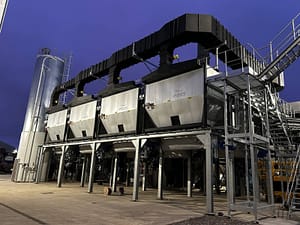
Ceramic filters are a critical component in numerous industries that require high-temperature resistance. Understanding the fundamentals of ceramic filters is essential to comprehend how they effectively handle extreme heat.
Understanding the fundamentals of ceramic filters
Ceramic filters are made from a combination of ceramic materials, which are selected for their impressive thermal properties and durability. The composition and structure of ceramic filters play a vital role in their performance in high-temperature environments.
The composition of ceramic filters typically includes a mixture of oxide compounds, such as alumina, zirconia, and silica. These materials are chosen for their ability to withstand high temperatures and resist thermal shock. Additionally, the structure of ceramic filters involves a porous network, which allows for the filtration of gases and liquids while maintaining strength.
The composition and structure of ceramic filters
The specific composition of ceramic filters can vary depending on the intended application. However, the primary goal remains the same – to create a robust and thermally stable filter that can withstand extreme temperatures. By carefully selecting and combining different ceramic materials, manufacturers can create filters with exceptional high-temperature capabilities.
The role of ceramic filters in various industries
Ceramic filters find extensive use in industries that operate in high-temperature environments, such as the metal casting industry, chemical processing plants, and power generation facilities. They are utilized to remove impurities, contaminants, and particulates from gases and liquids, ensuring reliable and efficient operations.
One industry that heavily relies on ceramic filters is the aerospace industry. In aerospace applications, ceramic filters are used to purify the air and remove harmful particles that could potentially damage sensitive equipment. These filters are designed to withstand the extreme temperatures and harsh conditions experienced during flight, ensuring the safety and efficiency of aircraft systems.
Another industry where ceramic filters play a crucial role is the pharmaceutical industry. In pharmaceutical manufacturing, maintaining a sterile environment is of utmost importance to ensure the safety and efficacy of drugs. Ceramic filters are used in cleanrooms and filtration systems to remove bacteria, viruses, and other contaminants from the air and liquids, preventing the risk of contamination and ensuring the production of high-quality pharmaceutical products.
Furthermore, ceramic filters are also utilized in the automotive industry. In vehicle exhaust systems, ceramic filters are employed to reduce harmful emissions and pollutants, helping to comply with stringent environmental regulations. These filters trap and remove particulate matter, such as soot and ash, from the exhaust gases, resulting in cleaner emissions and improved air quality.
The science behind ceramic filters and high temperatures
The ability of ceramic filters to handle high temperatures stems from their unique thermal properties and design. Let’s explore the factors that contribute to their performance in extreme heat.
The thermal properties of ceramic materials
Ceramic materials possess excellent thermal stability, which allows them to withstand extreme temperatures without significant degradation. Their high melting points, low thermal expansion coefficients, and good heat conductivity make them ideal for applications involving heat transfer and filtration under harsh conditions.
How ceramic filters maintain performance under heat
One of the key attributes of ceramic filters is their ability to maintain their filtration efficiency and mechanical strength even at elevated temperatures. This is made possible by the combination of the material’s inherent properties and the porous structure of the filter.
The porous nature of ceramic filters provides a large surface area for gas or liquid flow while trapping particles. The design of the filter allows for efficient filtration and prevents clogging, minimizing pressure drop and ensuring continuous operation at high temperatures.
Furthermore, the manufacturing process of ceramic filters involves intricate steps to ensure their heat resistance. The raw materials used in making ceramic filters are carefully selected for their purity and consistency. These materials are then mixed, shaped, and fired at precise temperatures to create a durable and heat-resistant filter.
In addition to their thermal properties, ceramic filters are also known for their chemical inertness, making them suitable for filtering a wide range of substances without reacting with them. This quality is crucial in industries where maintaining the purity of the filtered material is essential, such as in pharmaceutical manufacturing or wastewater treatment.
The manufacturing process of high-temperature ceramic filters
Producing high-temperature ceramic filters involves several crucial steps to ensure the filters’ quality and performance meet the demanding requirements of extreme heat environments. Let’s delve into the key stages of their manufacturing process.
High-temperature ceramic filters are essential components in industries such as metal casting, aerospace, and automotive, where they play a vital role in filtering out impurities and ensuring the smooth operation of equipment in high-temperature conditions. The intricate process of manufacturing these filters requires precision and expertise to create products that can withstand the harsh environments they are designed for.
Key steps in producing ceramic filters
The manufacturing process of ceramic filters begins with the selection and preparation of the ceramic materials. These materials are carefully mixed and shaped to form the desired filter structure. After shaping, the filters undergo a series of firing processes, where they are exposed to high temperatures to achieve the desired strength and porosity.
Once the filters have been fired to the correct temperature, they undergo rigorous testing to ensure they meet the required specifications for high-temperature applications. This testing involves subjecting the filters to extreme heat conditions to simulate their performance in real-world settings, ensuring that they can withstand the demanding environments they will be used in.
Quality control for high-temperature resistance
To ensure the filters’ performance in high-temperature applications, stringent quality control measures are implemented throughout the manufacturing process. This includes thorough testing of material properties, dimensional accuracy, and filtration efficiency. Only filters that meet the highest standards are approved for use in extreme heat environments.
Challenges and solutions in using ceramic filters at high temperatures
Despite their exceptional capabilities, ceramic filters face challenges when subjected to high temperatures. Understanding these challenges and developing innovative solutions is crucial to maximize their effectiveness in extreme heat environments.
When ceramic filters are exposed to high temperatures, they undergo significant stress due to thermal expansion. This stress can lead to mechanical failure, reducing the filter’s lifespan and efficiency. Moreover, the high temperatures can also accelerate the diffusion of contaminants through the filter, impacting its purification performance.
Common issues faced in high-temperature environments
One of the common challenges faced by ceramic filters in high-temperature applications is the potential for thermal shock. Rapid temperature changes can cause cracks or damage to the filter structure, compromising its performance. Additionally, chemical reactions between the filter and the processed substances can lead to corrosion or material degradation.
Another issue encountered in high-temperature environments is the risk of thermal fatigue. The repeated exposure to fluctuating temperatures can weaken the filter material over time, making it more susceptible to damage and reducing its overall effectiveness in filtering out impurities.
Innovations and improvements in ceramic filter technology
To overcome these challenges, ongoing research and development efforts have led to various innovations in ceramic filter technology. Advanced coatings and surface treatments can enhance filter durability and resistance to thermal shock. Additionally, the development of new materials and manufacturing techniques allows for the creation of filters tailored to specific high-temperature applications.
Furthermore, advancements in computational modelling and simulation techniques have enabled engineers to better predict the performance of ceramic filters under extreme heat conditions. By simulating different scenarios and stress factors, researchers can fine-tune filter designs to improve their reliability and longevity in high-temperature environments.
The future of ceramic filters in high-temperature applications
As technology continues to advance, the future of ceramic filters in high-temperature applications looks promising. With emerging trends and advancements in materials and technologies, these filters are poised to address evolving industry needs effectively.
Emerging trends in ceramic filter design
One of the emerging trends in ceramic filter design is the development of tailored filters for specific applications. Manufacturers are customizing filters to meet unique requirements, optimizing filtration performance and longevity in high-temperature environments. For instance, in the aerospace industry, ceramic filters are being designed to withstand extreme temperatures experienced during space exploration missions. These filters undergo rigorous testing to ensure their reliability and effectiveness in filtering out contaminants in the harsh conditions of outer space.
Additionally, the integration of smart technologies, such as sensors and data analytics, enables real-time monitoring of filter performance and predictive maintenance. This allows industries to proactively address any potential issues, minimizing downtime and optimizing overall operational efficiency. Imagine a scenario where a ceramic filter in a power plant is equipped with sensors that can detect any decrease in filtration efficiency. The data collected by these sensors can be analyzed to identify the cause and take necessary corrective measures, ensuring uninterrupted power generation.
The potential impact of new materials and technologies
New materials and technologies are continually being explored for their potential impact on ceramic filters. Advanced ceramics with enhanced thermal properties, such as greater heat resistance or improved filtration efficiency, are being developed. Researchers are experimenting with nanotechnology to create ceramic filters with nanopores, increasing their filtration capacity and allowing for finer particle removal. These advancements open up possibilities for applications in industries where precise filtration is crucial, such as pharmaceutical manufacturing or semiconductor production.
Furthermore, additive manufacturing techniques offer the potential for complex filter geometries, further optimizing their performance. 3D printing allows for the creation of intricate ceramic filter structures that were previously impossible to manufacture using traditional methods. This not only enhances filtration efficiency but also reduces material waste during the production process. Imagine a ceramic filter with a complex lattice structure that provides a larger surface area for filtration, resulting in higher throughput and improved overall performance.
In conclusion, ceramic filters are a crucial technology for handling high temperatures in various industries. Understanding their composition, thermal properties, and manufacturing process is vital to their successful application. Overcoming challenges and embracing innovations will drive the future of ceramic filters, enabling efficient and reliable operations in extreme heat environments. With tailored designs, smart technologies, and advancements in materials and manufacturing techniques, ceramic filters are set to revolutionize high-temperature applications across industries.