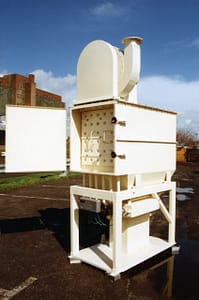




Ceramic filters play a crucial role in various industries, providing efficient separation of solids and liquids in high-temperature environments. To ensure their optimal performance and longevity, it is essential to understand the importance of regular maintenance. In this article, we will explore the key components of ceramic filters, the impact of high temperatures on their performance, and the steps to maintain them effectively.
Understanding the Importance of Ceramic Filter Maintenance
Ceramic filters are widely used in industries such as chemical processing, metal refining, and power generation. These filters are designed to withstand extreme temperatures and harsh operating conditions, making them ideal for applications where traditional filters would fail. However, like any equipment, ceramic filters require regular maintenance to operate at their best.
The Role of Ceramic Filters in Various Industries
Ceramic filters are utilized in a wide range of industries due to their exceptional filtration capabilities. In the chemical processing industry, they are crucial in removing impurities from liquids, ensuring high product quality. For example, in the production of pharmaceuticals, ceramic filters are used to remove any contaminants that could compromise the safety and efficacy of the drugs. Similarly, in the food and beverage industry, ceramic filters are employed to remove particles and bacteria from liquids, ensuring that the final products meet the highest hygiene standards.
In metal refining, ceramic filters enable the separation of molten metals from impurities, enhancing the purity of the final product. This is particularly important in industries such as aerospace and automotive, where the quality and integrity of the metals used are critical for safety and performance. Ceramic filters play a vital role in ensuring that the metals meet the stringent specifications required for these applications.
Additionally, in power generation plants, ceramic filters are used to remove particulate matter from flue gas, minimizing air pollution. This is of utmost importance in today’s world, where environmental concerns are at the forefront. By effectively capturing and removing harmful particles from the flue gas, ceramic filters help reduce the emission of pollutants into the atmosphere, contributing to cleaner air and a healthier environment.
The Impact of High Temperatures on Ceramic Filters
Operating in high-temperature environments puts significant stress on ceramic filters. The constant exposure to extreme heat can lead to wear and tear, affecting their efficiency. To mitigate this, regular maintenance is necessary to monitor the condition of the filters and address any issues promptly.
Furthermore, thermal shock caused by rapid temperature changes can cause cracks or fractures in the ceramic material, compromising the filter’s integrity. This is a critical concern in industries such as glass manufacturing, where the production process involves rapid heating and cooling cycles. By implementing proper maintenance practices, including preheating the filters before subjecting them to extreme temperatures, the risk of thermal shock can be minimized, ensuring the longevity and effectiveness of the ceramic filters.
In conclusion, ceramic filters play a vital role in various industries, providing efficient filtration and contributing to the overall quality and safety of products and processes. However, to maintain their optimal performance, regular maintenance is crucial. By understanding the importance of ceramic filter maintenance and implementing appropriate practices, industries can ensure the longevity and reliability of these essential filtration devices.
Key Components of a Ceramic Filter
Before delving into maintenance procedures, it is crucial to understand the key components of a ceramic filter. These filters typically consist of a porous ceramic body and a support structure to enhance their mechanical strength. The porous ceramic body is responsible for the actual filtration, while the support structure ensures stability and durability.
When exploring the intricate world of ceramic filters, one cannot overlook the importance of the filtration media. The filtration media is the heart of the ceramic filter, where the magic of separation happens. It is meticulously designed to capture impurities and contaminants, ensuring that the filtered liquid emerges pure and pristine on the other side. The composition and structure of the filtration media play a pivotal role in determining the efficiency and effectiveness of the filtration process.
The Structure of Ceramic Filters
The structure of ceramic filters is designed to maximize surface area and optimize filtration efficiency. The porous ceramic body contains a network of interconnected channels or pores that allow liquid to pass through while trapping solid particles. This unique structure provides a large filtration area, enabling high throughput and effective separation.
Moreover, the support structure of ceramic filters deserves a closer inspection. This framework not only bolsters the mechanical integrity of the filter but also contributes to its overall performance. By providing a sturdy foundation for the delicate ceramic body, the support structure ensures that the filter can withstand the rigours of filtration operations without compromising its efficiency. It is a silent yet indispensable partner in the quest for pure, filtered liquids.
Materials Used in High Temperature Ceramic Filters
High temperature ceramic filters are typically made from high-quality ceramic materials, such as alumina or silicon carbide. These materials exhibit excellent thermal stability, chemical resistance, and mechanical strength, making them suitable for demanding operational conditions. The choice of material depends on the specific application and the temperature and chemical compatibility requirements.
Delving deeper into the realm of materials used in ceramic filters unveils a world of precision and expertise. Manufacturers meticulously select the appropriate ceramic material based on a myriad of factors, including temperature resistance, chemical compatibility, and structural integrity. Each material brings its own unique set of properties to the table, ensuring that the ceramic filter performs optimally in its designated environment.
Steps to Maintain High Temperature Ceramic Filters
Maintaining high temperature ceramic filters involves a combination of routine inspection, cleaning, and proper handling and storage. By following these steps, you can extend the lifespan of your filters and ensure their optimal performance.
High temperature ceramic filters are essential components in various industrial processes, providing efficient filtration of molten metals, gases, and other substances at extreme temperatures. To ensure these filters function effectively, it is crucial to implement a comprehensive maintenance routine that includes regular inspection, cleaning, and appropriate handling.
Routine Inspection and Cleaning
Regularly inspecting ceramic filters is essential to identify any signs of wear and tear or damage. Inspect the filter body and support structure for cracks, fractures, or any other abnormalities. Additionally, clean the filters regularly to remove built-up contaminants or scale that may hinder their filtration efficiency. Use non-abrasive cleaning agents and ensure thorough rinsing to prevent any residue from affecting filter performance.
Furthermore, during the inspection process, pay close attention to the filter’s surface condition. Any signs of erosion or degradation could indicate the need for immediate maintenance or replacement to avoid compromising the filtration process. Proper cleaning not only enhances filter performance but also prolongs its lifespan, saving on replacement costs in the long run.
Handling and Storage of Ceramic Filters
Proper handling and storage are crucial to prevent accidental damage to ceramic filters. Always handle filters with care, avoiding any impacts or rough treatment. During storage, ensure that filters are kept in a clean and dry environment, away from dust or corrosive substances. If possible, store the filters vertically to minimize the risk of structural damage.
Moreover, when transporting ceramic filters within a facility or between locations, use appropriate handling equipment to prevent any sudden shocks or vibrations that could lead to micro-fractures or structural weaknesses. By prioritising careful handling and secure storage practices, you can maintain the integrity of the filters and maximise their operational lifespan.
Troubleshooting Common Issues with Ceramic Filters
Despite proper maintenance, ceramic filters may encounter issues that need addressing. By proactively identifying and resolving these issues, you can maintain the filters’ performance and prevent costly downtime.
Ceramic filters are a popular choice for water filtration due to their efficiency and durability. Made from porous ceramic material, these filters effectively remove impurities and contaminants from water, providing clean and safe drinking water. However, over time, ceramic filters can develop issues that affect their performance.
Identifying Signs of Wear and Tear
Regularly inspect your ceramic filters for signs of wear and tear, such as cracks, fractures, or reduced filtration efficiency. If you notice any abnormalities, address them promptly to prevent further damage or failure.
It is essential to handle ceramic filters with care to avoid unnecessary damage. When cleaning the filters, use gentle cleaning agents and avoid harsh chemicals that can degrade the ceramic material. Proper storage and handling can prolong the lifespan of ceramic filters and ensure optimal performance.
Addressing Common Performance Issues
Common performance issues with ceramic filters include reduced flow rate, increased pressure drop, or decreased filtration efficiency. These issues can result from clogged pores, damaged support structures, or improper handling. Troubleshoot the issues by cleaning the filters, checking for damages, and ensuring proper handling and installation.
Regular maintenance is key to preventing performance issues with ceramic filters. By following manufacturer guidelines and conducting routine inspections, you can identify and address potential problems before they escalate. Additionally, investing in quality ceramic filters from reputable manufacturers can help minimise the risk of unexpected issues and ensure consistent filtration performance.
Ensuring Optimal Performance of Ceramic Filters
Regular maintenance is crucial for ensuring the optimal performance of ceramic filters. By incorporating maintenance practices into your filtration system management, you can improve filter lifespan, efficiency, and overall operational effectiveness.
The Role of Regular Maintenance
Regular maintenance helps identify and address potential issues before they escalate, ensuring that filters operate at peak performance. By adhering to a maintenance schedule, you can optimize filtration efficiency and minimize the risk of equipment failure.
The Impact of Maintenance on Filter Lifespan and Efficiency
Proper maintenance significantly extends the lifespan of ceramic filters, reducing the need for frequent replacements. Maintenance practices such as routine cleaning and inspection help prevent the buildup of contaminants, maintaining optimal filtration efficiency over time. Additionally, regular maintenance ensures that filters continue to meet or exceed performance standards, enhancing overall operational efficiency.
However, it is important to note that not all maintenance practices are created equal. For ceramic filters, it is essential to consider the specific requirements of high-temperature applications. These filters are designed to withstand extreme heat, making them ideal for industries such as metal casting, power generation, and chemical processing.
When it comes to maintenance, one key aspect to consider is the inspection of the filter’s structural integrity. High-temperature ceramic filters are exposed to harsh conditions, and over time, they may develop cracks or other forms of damage. Regular inspection allows you to identify any structural issues early on and take appropriate measures to address them.
Another important maintenance practice for ceramic filters is the monitoring of filtration efficiency. As contaminants accumulate on the filter surface, they can reduce the filter’s ability to separate solids and liquids effectively. By regularly monitoring the filtration efficiency, you can determine when it is necessary to clean or replace the filter, ensuring optimal performance.
By understanding the importance of ceramic filter maintenance, recognizing the key components and their roles, and following the appropriate maintenance steps, you can ensure the optimal performance and longevity of high-temperature ceramic filters. Regular inspection, cleaning, and troubleshooting will help identify and address any issues, leading to improved filter performance and reduced downtime. With proper maintenance, your ceramic filters will continue to deliver efficient separation of solids and liquids, contributing to the success of your industrial processes.