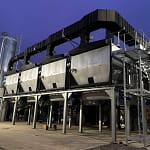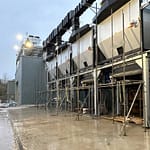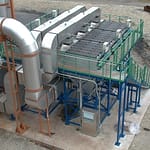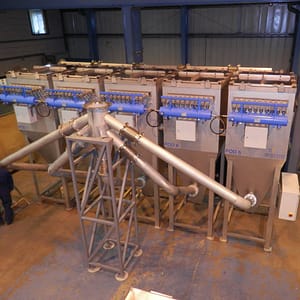




In the metals sector, where aluminium smelting, lead recovery, and heavy metal processing operate under extreme thermal and chemical stress, effective air pollution control is both a regulatory requirement and an operational challenge. Processes at these facilities produce large volumes of hot, dust-laden exhaust gases containing sub-micron particulate matter and acidic vapours. Conventional filtration technologies frequently fail under these conditions, leading to excessive emissions, frequent downtime, and rising costs.
Glosfume ceramic filtration systems are engineered specifically for high-temperature industrial environments. With robust ceramic elements, modular system design, and proven performance in over 1,000 installations, our filters provide dependable removal of PM10, PM2.5, and acid gases from smelting operations across the globe.
Pollution Challenges in Metal Smelting
Aluminium, lead, and tin smelting processes typically involve furnaces operating at temperatures above 400°C. These generate hot exhaust containing metallic oxides, slag particles, and chemically reactive vapours. In aluminium plants, oily swarf introduces additional complexity, producing sticky emissions that can damage conventional filters. Meanwhile, lead smelting presents the risk of airborne toxic fumes—notably lead vapour and SO2—which demand high-efficiency capture.
In addition to particulates, these gases may contain hydrogen chloride (HCl), dioxins, and volatile organic compounds (VOCs). Left untreated, these substances pose health hazards and contribute to environmental damage. They also violate air quality regulations set by the EU Industrial Emissions Directive and UK environmental agencies.
Why Bag Filters Fall Short in Smelting Applications
Despite their popularity in other sectors, bag filters are unsuitable for many smelting environments. They are thermally unstable above 200°C, vulnerable to attack from acid gases, and prone to blinding when exposed to fine metallic dusts. Oily fumes can clog or degrade filter media, while the risk of spark or slag contact presents a significant fire hazard. Many facilities using bag filters must employ additional cooling or spark suppression systems—adding complexity, cost, and maintenance requirements.
Even under optimal conditions, bag filters struggle to capture PM2.5. Typical emission levels range between 5 and 10 mg/m³—often exceeding local regulatory thresholds. For industries like lead smelting where public scrutiny and compliance standards are high, this simply isn’t good enough.
Glosfume’s Ceramic Filtration Solution
Glosfume ceramic filter elements are designed to withstand extreme heat, chemical corrosion, and fine particulate exposure. Our filters use rigid, vacuum-formed elements with a micro-porous outer surface. These elements capture even nano-scale particles from hot process gas streams, while allowing clean gases to exit through the interior of each filter tube. Our designs operate at temperatures up to 1000°C and are fully resistant to acid attack—making them ideal for smelting furnace off-gas treatment.
The system includes an automated reverse pulse cleaning cycle, where bursts of compressed air dislodge built-up dust, allowing the filter to continue operation without shutdown. This reduces manual maintenance, preserves consistent pressure drop, and extends filter life. In most installations, emissions are brought down to 1 mg/m³ or lower.
Smelting-Specific Applications and Case Studies
In one successful project, ALCAN installed a Glosfume ceramic filtration unit for an induction furnace smelting oily aluminium swarf. The filter included a talc dosing system to absorb oil vapour, preventing residue buildup and ensuring clean, odour-free discharge. In another case, a French uranium oxide manufacturer required filtration at 500°C without dilution air. Our system maintained full efficiency while improving oxide quality by eliminating moisture contamination.
Lead and zinc recovery plants benefit from Glosfume’s ability to handle toxic vapours and remove particulates without corrosion or thermal degradation. Our filters have been used in bronze casting, tin smelting, and nickel dross recovery—demonstrating flexibility across the metallurgical sector.
Controlling Acid Gases with Dry Scrubbing
Acid gases are often by-products of smelting operations, especially in facilities processing recycled metals. Glosfume ceramic filters are fully compatible with dry scrubbing systems that use sodium bicarbonate or activated carbon. Unlike bag filters, our ceramic systems maintain high scrubbing efficiency without cooling the gas stream—operating between 140°C and 450°C with no fire risk.
Our engineers use CFD modelling to optimise flow patterns within the filtration unit. This ensures that particulate and reagent distribution is even, minimising reagent waste and increasing pollutant capture. In tests, emissions of HCl and SO2 have been reduced to single-digit mg/m³ levels—far below directive limits.
Modular, Scalable System Design
Glosfume’s HTMC filter systems are modular by design, allowing smelters to scale their filtration systems up or down based on furnace capacity. Units can be installed side-by-side or end-to-end and can be shipped pre-assembled or in modular kits. This flexibility is ideal for tight plant layouts, phased expansions, or international projects where shipping constraints apply.
For high-throughput applications, multiple modules can operate in parallel, with the ability to isolate individual pods for maintenance without halting production. All systems are built using in-house fabricated mild steel housings (rated to 450°C), or specialist alloys for more extreme conditions.
Reliability, Control, and Support
Every Glosfume system includes a PLC control panel with touch screen interface. Operators can monitor pressure differentials, cleaning cycles, and operating temperatures in real time. Remote access is available for off-site support and diagnostics. Our filters are barcode-tracked, and 10% of every batch is quality tested for consistency and pressure drop stability.
With fewer moving parts, no flammable media, and a long element lifespan, Glosfume filters offer low-maintenance operation and excellent cost efficiency. Spare ceramic elements are always held in stock, ensuring rapid turnaround if replacements are needed.
Emission Performance and Compliance
Glosfume filtration systems have consistently delivered exceptional emissions control across metal smelting industries. In monitored installations, PM emissions have been measured at 0.7 mg/m³ or lower, while acid gas removal (via dry scrubbing) has brought levels of HCl and SO2 down to 1–5 mg/m³. These results not only meet but exceed EU Industrial Emissions Directive and UK Clean Air Act thresholds.
With environmental legislation set to tighten further under decarbonisation and net-zero strategies, investing in future-proof technology is more important than ever. Glosfume’s ceramic filters ensure operational resilience and regulatory compliance—now and in the future.
High-temperature, high-pollutant gas streams from smelting processes present a unique challenge. With conventional filters falling short, Glosfume ceramic filtration systems offer a proven, reliable alternative—delivering superior emissions control, lower maintenance, and full compatibility with dry scrubbing.