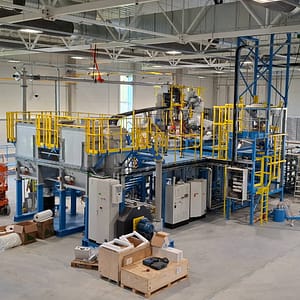




Hazardous waste incineration is a regulated thermal process used to destroy dangerous materials while controlling emissions to atmosphere. The incineration of hazardous waste produces hot flue gases containing particulates, acid gases and trace pollutants that must be treated before release. At Glosfume, we specialise in hot gas filtration systems designed to operate reliably at elevated temperatures and support environmental compliance.
As environmental standards tighten across the UK and internationally, operators must ensure that the hazardous waste incineration process incorporates robust particulate removal and effective acid gas control. Our role is focused specifically on high-temperature ceramic filtration within the gas-cleaning chain.
What is hazardous waste incineration?
Hazardous waste incineration is the controlled high temperature incineration of wastes classified as hazardous, with the objective of destroying harmful organic compounds and reducing overall volume. The process typically involves primary combustion followed by secondary combustion to ensure complete oxidation.
While high temperature incineration hazardous waste treatment is highly effective for secure destruction, it generates hot emissions containing fine dust and corrosive gases. For this reason, emissions abatement is an integral part of plant design rather than an optional add-on.
Why emissions control matters
Effective emissions control is essential because hazardous waste incineration can produce pollutants that are tightly regulated under environmental law. These include fine particulates, dioxins, acid gases and trace metals.
Particulates: Combustion produces fine particulate matter, including PM10 and PM2.5. These particles are often sub-micron in size and require high-efficiency filtration to meet low emission limits.
Dioxins: Dioxins are persistent organic pollutants that can form under certain thermal conditions. Careful combustion control and appropriate gas treatment help limit both formation and reformation.
Acid gases: Hydrogen chloride (HCl), hydrogen fluoride (HF) and sulphur dioxide (SO2) may be present depending on waste composition. These gases are typically neutralised using dry scrubbing reagents such as sodium bicarbonate or lime.
The overall objective is stable, measurable emissions performance that satisfies permit requirements during normal operation and foreseeable transients.
How hot gas filtration supports compliance
Hot gas filtration supports hazardous waste incineration compliance by removing particulates at elevated temperatures and enabling efficient dry scrubbing reactions. Unlike conventional bag filters, ceramic filtration is suited to hot gas streams where temperatures can exceed 400°C.
Glosfume ceramic filter media can withstand temperatures up to 1000°C, with typical maximum operating temperatures around 450°C for mild steel housings. Filtration efficiency can reach up to 99.99%, with particulate emissions stated below 3 mg/m³, typically around 1 mg/m³.
When combined with sodium bicarbonate injection, the filtration system becomes part of an integrated dry scrubbing solution. Sodium bicarbonate remains active across a broad temperature range of 140–450°C, supporting consistent acid gas neutralisation without forcing excessive cooling of the flue gas.
Typical incineration process and where filtration fits
A typical hazardous waste incineration process follows a staged sequence designed to ensure destruction efficiency and emissions control:
- Waste reception and preparation – Controlled handling and feed preparation.
- Primary combustion – Thermal oxidation of hazardous constituents.
- Secondary combustion – Additional high temperature incineration to complete oxidation.
- Gas cooling and conditioning – Stabilising flue gas for treatment.
- Dry scrubbing and particulate filtration – Acid gas neutralisation and fine particulate removal.
- Emissions monitoring – Continuous measurement to demonstrate compliance.
Glosfume’s focus sits at the particulate filtration stage, where high-temperature ceramic systems provide reliable capture of fine dust and reacted sorbent.
What types of waste are typically handled?
Hazardous waste incineration facilities are permitted to treat defined categories of hazardous material. Typical examples in the market include solvents, chemical effluents, laboratory waste, contaminated packaging, certain batteries and specialist wastes such as PCB-associated or PFAS/PFOA-related materials, depending on permit conditions.
The key engineering consideration is not simply the waste label, but the off-gas composition it produces. Filtration and dry scrubbing must be specified based on temperature, particulate loading and acid gas content.
Compliance, monitoring and safety
Buyers should prioritise filtration systems that demonstrate temperature capability, chemical resistance and stable differential pressure control. Ceramic elements are non-flammable and resistant to acids and alkalis above or below the dew point, which is particularly relevant in hazardous waste incineration duty.
Consistent emissions performance depends on reliable cleaning mechanisms, appropriate controls and accurate monitoring. The objective is straightforward: dependable particulate removal, effective acid gas support and documented environmental compliance.
Talk to Glosfume about high-temperature filtration
If you are reviewing or designing a hazardous waste incineration line, we can discuss your off-gas conditions and compliance objectives. Our team will help you define the correct high-temperature ceramic filtration approach for your specific process.
Start the conversation via our contact page.
Frequently Asked Questions
What is the difference between hazardous waste incineration and clinical waste incineration?
Hazardous waste incineration refers to the thermal treatment of a broad range of chemically or physically dangerous wastes, while clinical waste incineration focuses specifically on healthcare-derived materials. Clinical waste may fall within hazardous classifications, but regulatory frameworks, waste streams and plant configurations can differ depending on permit conditions and waste type.
Why is secondary combustion used?
Secondary combustion is used to complete oxidation of residual organic compounds after primary burning. By maintaining elevated temperatures and defined residence times, it improves destruction efficiency and reduces the risk of unburnt hydrocarbons entering the gas-cleaning stage. This stabilises flue gas conditions and supports consistent downstream emissions control.
What are dioxins and how are they controlled?
Dioxins are toxic, persistent organic pollutants that can form during certain combustion and cooling conditions. Control relies on effective high temperature incineration, careful management of cooling profiles and robust particulate filtration. Removing acid gases such as HCl at elevated temperatures can also help reduce the risk of dioxin reformation.
How does filtration help with environmental compliance?
Filtration helps environmental compliance by removing fine particulate matter before gases are discharged to atmosphere. High-temperature ceramic systems are capable of capturing sub-micron particles and supporting dry scrubbing for acid gas neutralisation. Stable differential pressure and reliable cleaning mechanisms are essential for consistent, measurable emissions performance.
What information is typically needed to specify a filtration solution?
Specifying a filtration solution requires accurate process data, including gas flow rate, operating temperature range, particulate loading and acid gas composition. Information about transient conditions, start-up cycles and dew point considerations is also important. These parameters determine filter media selection, housing design and integration with dry scrubbing.
Is hazardous waste incinerated?
Hazardous waste is incinerated where regulation and permitting allow it as an appropriate treatment method. Incineration is selected when secure destruction of hazardous constituents and volume reduction are required. Because it produces hot polluted gases, effective emissions control and monitoring are mandatory components of the overall process.
What is the most common method of hazardous waste disposal?
The most common disposal method depends on waste type and regional regulation, but typical routes include specialist landfill, physicochemical treatment and incineration. Incineration is often chosen where organic hazards must be destroyed rather than contained. The suitability of each method is determined by regulatory, environmental and technical factors.