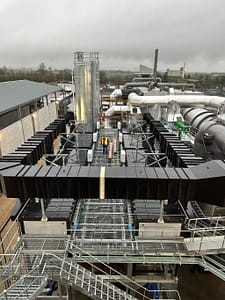




Industrial processes such as biomass combustion, metal smelting, and waste incineration produce high-temperature waste gases that require effective filtration before being released into the atmosphere. Many industries rely on fabric bag filters for this purpose, but these filters face significant challenges when exposed to extreme heat. As emissions regulations become stricter, the need for reliable high-temperature filtration has never been greater. Despite their widespread use, bag filters often fail in demanding conditions, leading to increased maintenance, operational downtime, and compliance risks. Understanding why bag filters struggle at high temperatures is essential for industries looking to improve efficiency and reduce emissions.
The Limitations of Bag Filters in High-Temperature Applications
Fabric bag filters are made from materials such as polyester, aramid, or PTFE, which have strict temperature limitations. Most bag filters cannot withstand temperatures above 200°C without degrading. When exposed to sustained high heat, the fibres shrink, harden, or become brittle, reducing their filtration efficiency and lifespan. Repeated heating and cooling cycles accelerate this degradation, causing the filters to crack or fail prematurely. In industries where gas temperatures exceed 400°C, such as cement production and thermal oxidation, bag filters are often unsuitable without costly pre-cooling systems.
Another major concern is the flammability of fabric bag filters. In processes such as biomass combustion and smelting, high temperatures and sparks are common. Traditional bag filters pose a significant fire risk, particularly when handling volatile particulates. Unlike ceramic alternatives, fabric filters can ignite when exposed to direct flames or glowing embers, leading to dangerous and costly incidents. This limitation requires additional protective measures such as spark arresters and cooling systems, further complicating the filtration process.
Bag filters are also highly vulnerable to chemical degradation. In many industrial applications, flue gases contain acidic or alkaline compounds, particularly when waste materials are burned. When these gases cool below their dew point, acids such as hydrochloric acid (HCl) and sulphur dioxide (SO2) condense onto the bag filters, causing rapid deterioration. This results in filter bag embrittlement, tearing, and loss of efficiency. In contrast, ceramic filters offer total resistance to acid and alkali attack, making them far more reliable in aggressive chemical environments.
Performance Inefficiencies in High-Temperature Conditions
One of the biggest operational challenges with bag filters is their tendency to clog over time. Many industrial emissions contain sub-micron particulates such as PM10 and PM2.5, which are small enough to penetrate deep into human lungs. These fine particles quickly blind fabric filters, reducing airflow and increasing the system’s pressure drop. As pressure builds up, fans must work harder to maintain suction, leading to higher energy consumption and reduced process efficiency.
Frequent maintenance is another costly issue with bag filters. Due to their relatively short lifespan, they require regular replacement, causing downtime and increasing operational costs. In high-temperature applications, the replacement process is even more complex, often requiring production shutdowns for filter changes. Over time, this leads to significant lost productivity and increased labour costs.
To compensate for their weaknesses, bag filter systems often require additional equipment such as cyclones, spark arresters, and heat exchangers to reduce gas temperatures before filtration. These extra components add to the overall cost and complexity of the system. In contrast, ceramic filters can operate directly at high temperatures without the need for pre-cooling, making them a more efficient and cost-effective alternative.
Why Ceramic Filtration is the Superior Alternative
Ceramic hot gas filtration offers a robust solution to the challenges faced by bag filters in high-temperature environments. Unlike fabric filters, ceramic filter elements can withstand extreme temperatures of up to 1000°C, eliminating the need for costly heat exchangers. Their structure remains stable under intense heat, ensuring long-term reliability and performance.
In addition to their superior thermal resistance, ceramic filters are completely non-flammable, making them ideal for applications where sparks and embers are a risk. This significantly enhances safety and reduces the likelihood of costly equipment damage or production downtime due to fire hazards.
Ceramic filtration also delivers exceptional chemical resistance. Unlike fabric filters, ceramic elements are impervious to acid and alkali attack, allowing them to function effectively even in aggressive chemical environments. This makes them particularly well-suited for industries such as waste incineration, chemical processing, and biomass combustion, where acidic gases are prevalent.
Filtration efficiency is another key advantage of ceramic filters. They consistently achieve emission levels below 3 mg/m³, significantly lower than the 5–10 mg/m³ typically recorded with bag filters. Advanced designs allow them to capture fine particulates, including nano-sized particles, ensuring compliance with even the strictest environmental regulations. Their high efficiency not only improves air quality but also reduces the risk of regulatory fines and shutdowns.
Ceramic filters also offer a much longer service life compared to fabric alternatives. With proper maintenance, ceramic elements can last for years without significant degradation, reducing the frequency of replacements and associated downtime. This translates to lower long-term costs and improved operational efficiency for industries that require reliable, continuous filtration.
Industry Applications Where Ceramic Filters Outperform Bag Filters
Many industries have already made the switch from fabric bag filters to ceramic filtration due to the clear advantages in high-temperature environments. In biomass and waste-to-energy plants, ceramic filters provide superior filtration for flue gases, removing harmful particulates while operating at high combustion temperatures. Their ability to withstand acidic gases without degradation makes them an ideal choice for chemical and metal processing industries, where conventional filters would quickly fail.
In incineration applications, particularly those handling medical and hazardous waste, ceramic filters help control emissions of fine particulate matter and dioxins, ensuring compliance with strict air quality regulations. The glass, cement, and ceramics industries also benefit from ceramic filtration, as these processes generate extreme temperatures that would rapidly destroy conventional bag filters.
The Future of High-Temperature Filtration
Bag filters have long been the standard for industrial gas filtration, but their limitations in high-temperature environments are increasingly apparent. Their vulnerability to heat, flammability, chemical attack, and clogging makes them a less reliable choice for industries requiring efficient and durable filtration solutions. The frequent need for replacements and additional protective equipment only adds to their operational costs and complexity.
Ceramic filtration provides a far more effective and long-lasting alternative, offering exceptional temperature resistance, fire safety, chemical durability, and superior filtration efficiency. As industries face tighter environmental regulations and higher performance demands, transitioning to ceramic filtration is a logical step towards cleaner air, reduced maintenance, and lower long-term costs.
For industries looking to upgrade their filtration systems and improve compliance, Glosfume’s advanced ceramic filtration technology provides a proven, cost-effective solution. With decades of experience in hot gas filtration, Glosfume ensures that industrial processes remain efficient, environmentally responsible, and future-proof against tightening emission standards.