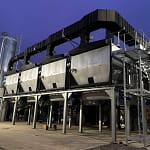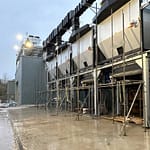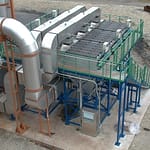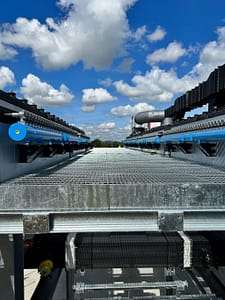




In the world of industrial filtration, Glosfume stands as a beacon of innovation and reliability. Renowned for their advanced ceramic filter technology, Glosfume has consistently delivered solutions that meet the demanding requirements of various high-temperature industrial applications. This blog post dives deep into the thermal resistance of Glosfume ceramic filters, exploring its significance, underlying science, and the advantages it brings to industrial processes.
Understanding Ceramic Filters
Ceramic filters are specialised filtration devices crafted from ceramic materials. They are designed to remove particulate matter, contaminants, and impurities from gases and liquids, making them indispensable in industries such as metallurgy, power generation, and chemical processing.
Materials and Composition
Glosfume ceramic filters are composed of high-quality ceramic materials known for their exceptional thermal properties. The primary materials include silicon carbide, alumina, and mullite, each contributing to the filter’s overall performance, durability, and thermal resistance.
Advantages of Ceramic Filters
Ceramic filters offer numerous advantages over traditional filter types, including:
- Durability: They withstand harsh industrial environments and high temperatures without degrading.
- Efficiency: High filtration efficiency ensures the removal of fine particulates.
- Environmental Benefits: Reduced emissions and improved waste management contribute to environmental sustainability.
The Science Behind Thermal Resistance
Thermal Resistance Explained
Thermal resistance refers to a material’s ability to resist the flow of heat. This property is particularly crucial in industrial applications, where it determines a filter’s capacity to perform effectively at elevated temperatures without compromising its structural integrity. In essence, higher thermal resistance indicates better insulation and a greater ability to maintain performance under thermal stress.
Heat Transfer Principles
To understand thermal resistance, it’s essential to grasp the principles of heat transfer: conduction, convection, and radiation.
- Conduction: This is the transfer of heat through a material without the material itself moving. Ceramic filters exhibit low thermal conductivity, meaning they are poor conductors of heat and thus provide good insulation.
- Convection: This involves the transfer of heat by the physical movement of fluids (liquids or gases). Ceramic filters are designed to limit convective heat transfer through their dense, non-porous structure.
- Radiation: This is the transfer of heat through electromagnetic waves. The surface properties of ceramic filters can be modified to reduce radiative heat transfer, contributing to their overall thermal resistance.
Ceramic filters manage these heat transfer mechanisms through their inherent insulating properties, thereby minimising heat flow and maintaining operational stability even in high-temperature environments.
Factors Affecting Thermal Resistance
Several factors influence the thermal resistance of ceramic filters:
- Material Composition: The type and purity of the ceramic materials used play a significant role. For instance, materials like silicon carbide and alumina are chosen for their high melting points and low thermal conductivity, which enhance thermal resistance.
- Microstructure: The internal structure and porosity of the ceramic are critical. A finely controlled microstructure with minimal porosity helps in reducing heat flow through conduction and convection.
- Surface Treatments: Various coatings and treatments can be applied to the ceramic surface to improve thermal properties. These treatments can reduce emissivity and enhance the material’s ability to reflect radiant heat.
Measurement of Thermal Resistance
Thermal resistance is measured using several industry-standard methods to ensure accurate and reliable results:
- Thermal Conductivity Tests: These tests assess the material’s ability to conduct heat. Lower thermal conductivity indicates higher thermal resistance, which is desirable for high-temperature applications. The tests typically involve measuring the rate at which heat passes through the material under controlled conditions.
- Temperature Cycling Tests: These tests evaluate the performance of the material under repeated heating and cooling cycles. They are crucial for understanding how the material behaves under thermal stress, which is common in many industrial processes. Consistent performance across multiple cycles indicates robust thermal resistance and durability.
These measurements provide a comprehensive understanding of the thermal resistance characteristics of ceramic filters, ensuring they meet the stringent requirements of high-temperature industrial applications.
Glosfume’s Ceramic Filters
Product Range
Glosfume offers a diverse range of ceramic filters specifically tailored to meet the varied needs of different industrial applications. These filters come in an array of sizes, shapes, and material compositions to ensure optimal performance across a broad spectrum of uses. Whether for high-temperature gas filtration in metallurgy or particulate removal in power generation, Glosfume’s product range is designed to provide reliable and efficient solutions.
- Sizes and Shapes: The filters are available in various dimensions and configurations to suit different installation requirements and operational environments. This versatility allows for seamless integration into existing systems or new setups.
- Material Compositions: Different material compositions are used to match specific industrial needs. For instance, silicon carbide and alumina-based ceramics are chosen for their excellent thermal properties and durability, making them suitable for high-stress conditions.
Innovative Features
Glosfume’s ceramic filters are distinguished by several innovative features that set them apart in the market:
- Advanced Manufacturing Techniques: Glosfume employs precision engineering in the manufacturing process to ensure each filter meets stringent quality standards. Techniques such as controlled sintering and advanced moulding ensure consistency in pore structure and density, leading to reliable performance across all products.
- Proprietary Materials: The filters are made from specially formulated ceramics that enhance thermal resistance. These proprietary materials are developed through extensive research and development efforts, ensuring they provide superior performance in demanding industrial applications.
- Design Enhancements: The design of Glosfume’s ceramic filters is optimised to improve heat management and structural stability. Features such as enhanced surface area for better heat dissipation and reinforced structural components ensure the filters maintain their integrity under extreme conditions.
By combining these innovative features, Glosfume’s ceramic filters not only meet but often exceed industry standards, providing customers with durable, high-performance solutions that enhance operational efficiency and reduce maintenance costs.
Thermal Performance in Industrial Applications
Glosfume ceramic filters excel in high-temperature environments, maintaining their integrity and performance in processes such as smelting, refining, and waste incineration. For instance, in the metallurgical industry, these filters have proven their ability to withstand temperatures exceeding 1,200°C, significantly improving particulate removal and reducing maintenance costs. In power generation facilities, the high thermal resistance of Glosfume filters ensures consistent filtration performance, which leads to fewer shutdowns and lower operational costs. Industry feedback highlights the reliability and efficiency of these filters, with users consistently reporting enhanced operational stability and reduced downtime.
Comparative Analysis
When compared to competitors, Glosfume ceramic filters stand out for their superior thermal resistance, durability, and cost-effectiveness. These filters not only maintain their structural integrity under extreme temperatures but also offer longer service life, which reduces the frequency and cost of replacements. Benchmarking against industry standards, Glosfume filters consistently exceed performance metrics, setting new standards for what industrial ceramic filters can achieve. This comparative advantage is supported by extensive testing and real-world applications, where Glosfume filters have demonstrated their ability to perform better and last longer than those offered by key competitors.
Technological Innovations
Glosfume’s commitment to research and development is evident in their continuous efforts to enhance the thermal resistance of their ceramic filters. By collaborating with leading research institutions and investing in advanced material science, Glosfume has introduced several technological innovations. These include the use of nanomaterials to improve thermal properties, development of hybrid composites for enhanced performance, and the integration of smart filters equipped with sensors for real-time monitoring and adaptive performance. These innovations not only improve the current product offerings but also pave the way for future advancements in ceramic filter technology, ensuring that Glosfume remains at the forefront of the industry.
Benefits of High Thermal Resistance
The high thermal resistance of Glosfume ceramic filters translates into increased operational efficiency, as these filters maintain consistent performance and reduce downtime. This leads to significant cost savings over time, with fewer replacements and lower maintenance costs due to the filters’ durability. Additionally, the environmental impact is positive, as the filters contribute to lower emissions and improved waste management. By enhancing operational stability and reducing energy consumption, Glosfume ceramic filters support sustainable industrial practices, aligning with the growing emphasis on environmental responsibility in the industrial sector.
Installation and Maintenance
Proper installation and regular maintenance are crucial for maximising the thermal resistance and overall performance of Glosfume ceramic filters. Best practices for installation include ensuring a secure and precise fit, following manufacturer guidelines meticulously. Regular maintenance, such as periodic cleaning to remove accumulated particulates and routine inspections to detect wear and tear, is essential for sustained performance. Troubleshooting common issues related to thermal resistance can be effectively managed by adhering to these guidelines and consulting with Glosfume’s technical support team for expert advice.
Customer Testimonials
Customer testimonials and success stories further underscore the effectiveness of Glosfume ceramic filters. Users have reported significant improvements in operational efficiency and cost savings. For example, a leading metallurgical plant noted a 30% reduction in maintenance costs and a 20% increase in efficiency after implementing Glosfume filters. Similarly, in the waste incineration sector, the filters’ high thermal resistance ensured continuous operation without issues, leading to enhanced productivity and reduced operational interruptions. These real-world experiences highlight the practical benefits of Glosfume’s innovative ceramic filter technology.
Glosfume ceramic filters represent the pinnacle of thermal resistance technology, offering unparalleled performance, durability, and cost-effectiveness. Their innovative features and proven reliability make them the preferred choice for high-temperature industrial applications. For more information, or to request a consultation, contact Glosfume today and explore their comprehensive product range to find the perfect solution for your industrial needs.
Contact Information
For further inquiries, contact Glosfume at:
- Phone: +44 (0)1242 609 111
- Email: info@glosfume.com
- Address: 7 Isbourne Way, Isbourne Park
Winchcombe, Cheltenham
GL54 5NS, United Kingdom