



Powdered food ingredients, supplements, and nutraceuticals are a growing segment in the health and nutrition industries. From vitamin powders to functional food additives and protein isolates, these products often require spray drying or thermal treatment — processes that generate fine airborne dust and hot gas emissions.
Managing this dust is crucial, not only for regulatory compliance but also to protect product purity and workplace hygiene. Traditional filters often struggle to maintain sterility, handle heat, or control PM2.5. Ceramic filters provide a food-grade solution with high efficiency, dry operation, and minimal maintenance — ideal for sensitive food and nutraceutical environments.
Why PM2.5 Control Matters in Food Applications
Food powder production often involves drying, blending, or conveying fine particles at elevated temperatures. These powders — including minerals, enzymes, vitamins, and herbal extracts — can become airborne and exit with process gas if not captured effectively.
PM2.5 and ultrafine dust emissions from these plants can affect surrounding air quality, contaminate adjacent product lines, and trigger regulatory penalties. In addition, uncontrolled dust can cause fouling of equipment, reduce product yield, and increase cleaning and validation times.
Filtration solutions must therefore provide:
- Reliable sub-micron particulate control
- Non-fibrous, food-safe construction
- Dry operation with no risk of wet contamination
- High-temperature capability where required
Ceramic Filters for Food-Grade and Nutraceutical Dust
Ceramic filtration offers a dry, non-combustible alternative to fabric bags or wet scrubbers. Elements are made from inert materials and are suitable for use in clean zones, with surfaces that are easy to inspect and sanitise. They also operate reliably at elevated temperatures, up to 1000°C, making them suitable for drying processes where heat is a factor.
Key benefits include:
- ≥99.99% removal of PM2.5 and fine powders
- No fibres or filter media that shed particles
- Pulse-jet cleaning — no washdown or bag replacement
- Dry capture system compatible with product recovery
- Compact modular design suitable for retrofits
Case Example: Nutraceutical Powder Dryer Line
A manufacturer of botanical extracts and protein powders sought to improve emissions from a spray dryer used for encapsulated vitamin formulations. The off-gas stream was 600°C and contained fine, sticky powder that clogged traditional fabric filters and led to frequent shutdowns.
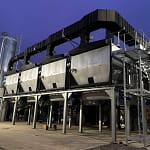
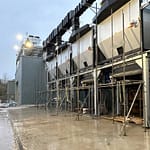
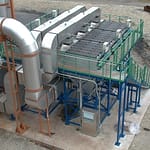
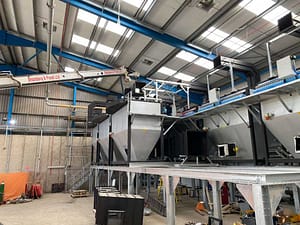
Glosfume provided a ceramic filter system designed for 2,500 m³/h, with:
- 18 ceramic filter elements
- Stainless steel housing with hygienic fittings
- Pulse cleaning system with programmable controller
- Enclosed, food-grade dust discharge
After installation, the plant reported:
- Dust emissions < 1 mg/m³
- Zero filter changeouts after 18 months
- Improved product yield from recovered powder
- Shorter clean-down times between campaigns
The system met food safety standards and allowed integration with existing hygienic protocols.
Hygienic Design and Maintenance
For food-grade and nutraceutical applications, every detail matters. Ceramic filter systems can be supplied with polished interiors, cleanable seals, and FDA-compliant materials. Systems can also be configured for horizontal or vertical installation, depending on plant layout.
Routine maintenance is minimal. Pulse valves and pressure drop sensors ensure filters remain clean during operation. No water, slurry, or saturated media is used — helping reduce the risk of microbial growth or product contamination.
For smaller lines or R&D use, Glosfume offers bespoke filter systems starting from 500 m³/h, enabling even pilot plants to achieve industrial-grade emissions control.
Food and nutraceutical manufacturers need emissions control systems that deliver hygiene, compliance, and reliability. Ceramic filters meet these needs with dry, high-efficiency capture of PM2.5 and fine powder — all without fibres, water, or frequent replacement.
Whether applied to drying, grinding, or packaging lines, ceramic filtration improves air quality, increases yield, and simplifies plant maintenance. For clean, consistent control of airborne dust in food environments, ceramic filters are a proven, future-ready choice.