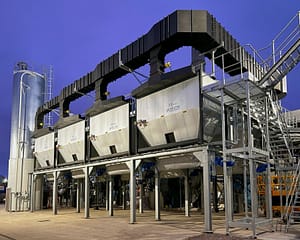
The ever-evolving demands of industrial operations have brought forth challenges that traditional filtration systems often struggle to address. From managing emissions in biomass plants to handling corrosive gases in chemical processing, industries require solutions that are both versatile and efficient. Modular filtration systems have emerged as a game-changing technology, offering unparalleled flexibility, scalability, and reliability. Unlike traditional one-size-fits-all systems, modular filtration systems are composed of individual units that can be configured or expanded to suit specific operational needs. This adaptability not only simplifies installation but also ensures that systems remain future-proof in the face of growing environmental regulations and increasing production demands. By examining the benefits of modular filtration systems, this article highlights why they are becoming a preferred choice in industrial settings.
What Are Modular Filtration Systems?
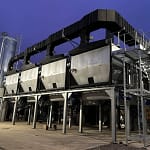
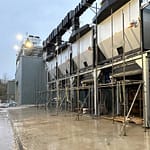
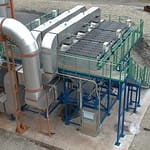
Modular filtration systems are innovative filtration solutions designed with scalability and flexibility at their core. These systems consist of individual filtration modules that can be linked together to form a larger, cohesive unit. This modularity allows industries to tailor the system to their specific requirements, whether they need to manage high volumes of emissions or handle challenging particulate compositions. Each module functions as a self-contained unit, complete with filtration media and structural components, making installation and integration straightforward and cost-effective.
The design of modular filtration systems enables them to overcome the limitations of traditional single-unit filtration setups. Traditional systems often require extensive customisation to fit specific industrial needs, leading to increased costs and longer implementation times. Additionally, when traditional systems reach capacity, expanding their functionality often involves replacing the entire system, resulting in significant downtime and expense. Modular systems eliminate these challenges by allowing operators to add or remove modules as needed, ensuring that the system grows with the operation. This adaptability makes modular filtration systems particularly valuable in dynamic industries such as renewable energy, waste management, and product recovery, where operational demands can change rapidly.
Advantages of Modular Filtration Systems
One of the most significant advantages of modular filtration systems is their scalability. In industries where production volumes fluctuate or expand, the ability to scale filtration capacity seamlessly is invaluable. Modular systems enable operators to add additional modules without disrupting existing processes, ensuring continuous operation. This scalability is particularly beneficial for industries such as biomass energy, where seasonal fluctuations in fuel supply and demand require flexible filtration solutions. By avoiding the need for major system overhauls, modular systems also reduce capital expenditure and minimise downtime, allowing industries to focus on productivity.
Another key benefit of modular filtration systems is their ease of maintenance. Unlike traditional filtration setups, where servicing often requires shutting down the entire system, modular systems allow for individual modules to be taken offline for cleaning or repairs while the rest of the system remains operational. This design significantly reduces downtime and maintenance costs, providing a more reliable and efficient solution for industrial operations. Additionally, the modular nature of these systems allows for customisation to meet specific challenges, such as handling corrosive gases or managing high-temperature emissions. By tailoring modules with advanced filtration media or specialised coatings, industries can address unique operational requirements without compromising overall system performance.
Applications of Modular Filtration Systems
Modular filtration systems are used across a wide range of industries, thanks to their adaptability and high performance. In renewable energy, for instance, these systems play a critical role in managing emissions from biomass boilers and waste-to-energy plants. These facilities often deal with high particulate loads and fluctuating emission compositions, making modular systems an ideal choice. By linking multiple modules, operators can ensure that their filtration capacity matches the demands of their operations while maintaining compliance with stringent environmental regulations.
In the metal smelting industry, modular filtration systems are essential for handling the extreme conditions associated with high-temperature processes. The ability to integrate specialised modules designed to withstand intense heat and sparks ensures that emissions are effectively managed without compromising safety. Similarly, in chemical processing, modular systems excel at neutralising corrosive gases and volatile organic compounds (VOCs). Their ability to adapt to specific chemical profiles and operational conditions makes them a preferred choice for ensuring worker safety and environmental compliance. Other applications include product recovery, where modular systems facilitate the capture and reuse of valuable particulates, and incineration, where they help manage the complex emissions from waste disposal.
Technological Advancements in Modular Filtration
Recent advancements in filtration technology have further enhanced the capabilities of modular systems. One such innovation is the integration of IoT-enabled monitoring tools, which provide real-time data on system performance. These tools allow operators to track parameters such as pressure differentials, particulate capture rates, and filter condition, enabling proactive maintenance and optimised operation. By leveraging this data, industries can ensure that their modular systems operate at peak efficiency, reducing energy consumption and extending the lifespan of filtration components.
Advances in filtration media have also contributed to the effectiveness of modular systems. Modern materials, such as ceramic and mineral-based filters, offer superior durability and efficiency, even in challenging environments. These filters are capable of capturing sub-micron particles while resisting the wear and tear associated with high temperatures and corrosive gases. Additionally, modular designs now incorporate customisation options that allow operators to tailor each module to specific needs, such as adding spark-resistant features or integrating dry scrubbing capabilities for acid gas removal. These technological innovations have positioned modular filtration systems as a leading solution for addressing the complex demands of modern industrial operations.
Economic and Environmental Benefits
The economic benefits of modular filtration systems extend beyond their initial cost savings. By reducing downtime and maintenance expenses, these systems contribute to lower operational costs over their lifespan. Their energy-efficient design also translates to reduced utility expenses, making them a cost-effective choice for industries looking to improve profitability. Furthermore, the modularity of these systems means that operators can scale their filtration capacity incrementally, avoiding the significant upfront investment associated with traditional single-unit systems. This approach not only optimises resource allocation but also ensures that industries remain adaptable to changing operational demands.
On the environmental front, modular filtration systems offer a sustainable solution for managing industrial emissions. Their high efficiency in capturing fine particulates and neutralising harmful gases helps industries reduce their environmental footprint, contributing to cleaner air and healthier ecosystems. Compliance with environmental regulations is another critical benefit, as modular systems are designed to meet or exceed emission standards set by authorities. By adopting modular filtration systems, industries can demonstrate their commitment to sustainability and social responsibility, aligning their operations with global efforts to combat climate change and pollution.