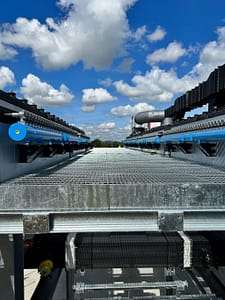




Introduction: Biomass Energy and the Clean Energy Transition
Biomass energy is a cornerstone of the global shift towards renewable energy. By converting organic materials such as wood chips, agricultural residues, and forestry by-products into heat and electricity, biomass reduces reliance on fossil fuels while contributing to sustainable energy goals. Biomass plays a critical role in meeting net-zero emission targets by utilising carbon-neutral feedstocks that align with circular economy principles.
Despite its advantages, biomass combustion presents several emissions challenges. The process generates fine particulate matter (PM10 and PM2.5), acid gases, and volatile organic compounds (VOCs), all of which must be managed effectively to comply with stringent environmental regulations. Advanced filtration systems are essential for controlling these emissions, enabling biomass facilities to qualify for Renewable Heat Incentive (RHI) schemes while ensuring operational and environmental sustainability.
Glosfume’s ceramic filtration technology offers a comprehensive solution to these challenges, delivering high efficiency, durability, and cost-effectiveness in even the most demanding biomass operations.
Key Emissions Challenges in Biomass Combustion
Fine Particulate Matter (PM10 and PM2.5)
Biomass combustion produces large quantities of fine particulate matter. PM10 and PM2.5 are particularly concerning due to their ability to penetrate deep into the lungs, contributing to respiratory and cardiovascular health risks. Uncontrolled particulate emissions also harm local air quality and hinder compliance with environmental regulations.
Acid Gases (HCl, SO₂, HF)
Combustion of biomass feedstocks containing sulphur or chlorine compounds generates acid gases such as sulphur dioxide (SO₂), hydrochloric acid (HCl), and hydrofluoric acid (HF). These gases are highly corrosive and can damage equipment while posing significant environmental and compliance challenges.
Volatile Organic Compounds (VOCs) and By-Products of Incomplete Combustion
Incomplete combustion of biomass can release VOCs and other harmful by-products, contributing to smog formation and odour issues. VOC emissions also affect compliance with air quality regulations, necessitating advanced filtration solutions.
Regulatory Compliance
Biomass plants must adhere to strict emissions standards, including those set by the Industrial Emissions Directive (IED) and RHI eligibility requirements. Non-compliance risks financial penalties, operational shutdowns, and loss of RHI support.
How Glosfume’s Ceramic Filtration Systems Overcome Biomass Challenges
High-Temperature Durability for Biomass Boilers
Glosfume’s ceramic filters are engineered to withstand continuous operation at temperatures up to 1000°C. This resilience is crucial for biomass plants, where combustion processes involve intense heat that rapidly degrades traditional bag filters. Ceramic filters maintain their structural integrity and filtration efficiency over long periods, reducing the need for frequent replacements.
Efficient Capture of Fine Particulates
The micro-porous structure of Glosfume’s ceramic filters captures 99.99% of sub-micron particles, including PM10 and PM2.5. This high level of efficiency ensures that particulate emissions remain well below regulatory limits, enabling biomass plants to comply with stringent standards and qualify for RHI benefits.
Integrated Acid Gas Neutralisation with Dry Scrubbing
To address acid gas emissions, Glosfume offers optional dry scrubbing systems. These systems use sodium bicarbonate or lime as a sorbent to neutralise harmful gases like SO₂, HCl, and HF. This process significantly reduces corrosion risks while ensuring compliance with environmental regulations. The system’s effectiveness across a wide temperature range (140°C to 450°C) makes it highly adaptable for various biomass operations.
Reverse-Pulse Cleaning for Consistent Performance
Glosfume’s reverse-pulse cleaning mechanism uses compressed air to dislodge accumulated particulates from the filter surface, preventing clogging and maintaining consistent filtration efficiency. This automated process minimises system downtime and reduces the need for manual maintenance, allowing biomass facilities to operate continuously and efficiently.
Modular System Design for Scalability
Glosfume’s filtration systems are modular and customisable, enabling biomass plants to scale operations as needed. The systems can be tailored to meet the specific requirements of small-scale facilities or large industrial plants, ensuring flexibility and future-proofing.
Benefits of Glosfume’s Filtration Technology for Biomass Plants
Regulatory Compliance
Glosfume’s ceramic filtration systems help biomass plants meet emissions standards, including particulate and acid gas limits outlined by the IED and RHI. Achieving compliance ensures operational continuity, avoids penalties, and secures financial incentives under the RHI programme.
Operational Cost Efficiency
The long lifespan of Glosfume’s ceramic filters significantly reduces replacement frequency, lowering operational costs. Additionally, the reverse-pulse cleaning system automates particulate removal, minimising maintenance costs and labour requirements.
Improved Environmental Sustainability
By capturing harmful pollutants and reducing emissions, Glosfume’s systems align biomass energy production with global clean energy goals. The reduction in particulate and acid gas emissions enhances local air quality and reduces the overall environmental footprint of biomass facilities.
Case Study: Emissions Compliance and Efficiency in a UK Biomass Plant
Challenge
A UK biomass plant struggled with emissions compliance due to high levels of particulates and acid gases. Conventional bag filters frequently failed under the plant’s high-temperature operations, leading to frequent breakdowns, increased maintenance costs, and limited eligibility for RHI benefits.
Solution
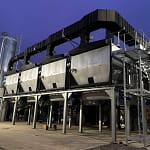
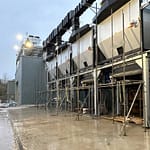
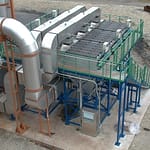
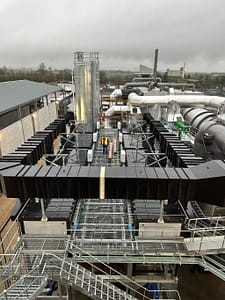
Glosfume installed a high-temperature ceramic filtration system with integrated dry scrubbing technology. The system was designed to capture fine particulates efficiently and neutralise acid gases like SO₂ and HCl, addressing the plant’s specific emissions challenges.
Impact
The plant achieved emissions levels well below regulatory thresholds, ensuring compliance with IED and RHI standards. Operational costs were reduced due to the durability of the ceramic filters and the low maintenance requirements of the reverse-pulse cleaning system. The facility achieved continuous operation, improving energy production efficiency and securing RHI incentives.
Future-Proofing Biomass Energy with Glosfume
Adaptability for Evolving Regulations
Glosfume’s filtration systems are designed to adapt to changing emissions standards, ensuring long-term compliance as regulations become stricter. This future-proofing capability supports biomass plants in maintaining operational and financial viability.
Scalability for Growing Energy Demands
The modular design of Glosfume’s systems allows facilities to expand capacity as operational needs grow, ensuring flexibility without costly overhauls.
Advancing Global Clean Energy Goals
Glosfume’s filtration technology supports the widespread adoption of biomass energy by enabling cleaner operations that align with global net-zero emissions targets. By reducing reliance on fossil fuels, biomass plants contribute to a more sustainable and secure energy future.
Conclusion: Driving Clean Energy with Advanced Filtration
Glosfume’s ceramic filtration systems provide biomass plants with the tools to achieve emissions compliance, enhance operational efficiency, and align with sustainability objectives. By capturing fine particulates, neutralising acid gases, and offering unmatched durability, these systems enable biomass energy to remain a vital component of the clean energy transition.
Investing in advanced filtration technology is critical for biomass facilities striving to meet clean energy goals while ensuring regulatory compliance and financial sustainability. Glosfume’s innovative solutions make biomass energy cleaner, more efficient, and ready to meet the challenges of tomorrow.