



Transforming Food Waste into Renewable Energy
Every year, millions of tonnes of food waste are sent to landfills, creating greenhouse gases such as methane and exacerbating environmental challenges. In response, innovative food waste-to-energy systems are being adopted worldwide, offering an eco-friendly solution to reduce waste while generating clean energy.
Jamie Oliver, the globally recognised chef and environmental advocate, took on the challenge of integrating sustainability into his operations. He implemented a biomass system to convert organic kitchen waste into renewable energy to power his kitchens, providing a practical example of how waste management and renewable energy can intersect.
However, the project encountered significant emissions challenges, including particulate matter and visible ash deposition, threatening its operational and environmental goals. This prompted the installation of Glosfume’s advanced ceramic filtration technology, which effectively addressed these issues while improving overall efficiency and sustainability.
The Challenges: Emissions and Ash Management in Food Waste Combustion
High Particulate Emissions
The combustion of food waste generates substantial levels of particulate matter, including PM10 and PM2.5. These particulates can affect air quality, harm human health, and contribute to atmospheric pollution, making effective control essential for compliance with environmental regulations.
Corrosive Acid Gases
The process also releases sulphur dioxide (SO₂) and hydrochloric acid (HCl), both of which can corrode equipment, reducing its lifespan and increasing maintenance demands. Acid gases also contribute to environmental degradation, including acid rain and localised pollution.
Ash Deposition and Community Complaints
Ash particles discharged from the system caused visible residue on nearby surfaces, including customers’ cars and neighbouring properties. This led to dissatisfaction among stakeholders and raised questions about the system’s viability in an urban setting.
Operational Inefficiencies
The traditional filtration system installed with the biomass unit was unable to manage the high ash and particulate load effectively. Frequent clogging caused repeated maintenance shutdowns, increasing operational costs and reducing uptime.
The Solution: Glosfume’s Advanced Ceramic Filtration Technology
High-Temperature Resilience
The ceramic filters were designed to operate efficiently at extreme temperatures, up to 1000°C, ensuring consistent performance even under the demanding conditions of biomass combustion.
Superior Particulate Capture
Glosfume’s technology removed 99.999% of particulate matter, including sub-micron particles like PM2.5. Emissions levels were reduced to less than 1mg/m³, far below regulatory limits, ensuring full compliance with air quality standards.
Integrated Acid Gas Scrubbing
The system incorporated dry scrubbing technology to neutralise harmful gases, such as SO₂ and HCl, preventing equipment corrosion and mitigating environmental impact.
Self-Cleaning Mechanism for Continuous Operation
The reverse-pulse cleaning system automatically dislodged ash and particulate build-up on the ceramic filters, ensuring consistent performance without frequent manual intervention. This feature significantly reduced downtime and improved overall operational efficiency.
Modular and Customised Design
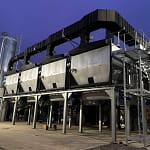
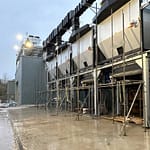
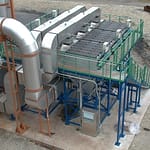
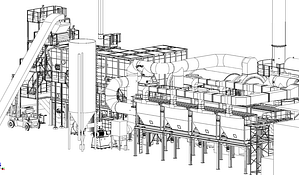
The modular design of Glosfume’s filtration system allowed for seamless integration with the existing biomass unit. Customisation ensured that the system addressed the specific challenges of food waste combustion, including variable fuel composition and high ash content.
The Results: Clean Energy, Cost Savings, and Community Benefits
Dramatic Reduction in Emissions
Particulate emissions were reduced to near-zero levels, ensuring compliance with strict environmental regulations. The elimination of visible ash deposition improved relations with stakeholders and enhanced the facility’s reputation.
Operational Cost Savings
The durable ceramic filters, with a lifespan of over 10 years, significantly reduced replacement and maintenance costs. The automated cleaning mechanism further reduced labour and maintenance requirements, improving cost efficiency.
Improved Environmental Impact
By neutralising acid gases and capturing harmful particulates, the facility’s environmental footprint was dramatically reduced. The project contributed to cleaner air and healthier communities in the surrounding area.
Reliable and Efficient Operations
The self-cleaning system ensured consistent uptime, enabling the facility to meet its energy production targets without interruptions. Improved reliability allowed Jamie Oliver’s kitchens to operate sustainably, powered by clean, renewable energy.
A Model for Sustainability
This project demonstrated the viability of integrating waste-to-energy systems with advanced emissions control, inspiring similar initiatives in the food and waste management sectors.
Broader Implications: Expanding the Use of Advanced Filtration Systems
Applications in Other Waste-to-Energy Projects
Glosfume’s ceramic filtration technology can be adapted for other food waste-to-energy facilities, addressing similar emissions and operational challenges. Larger-scale energy-from-waste (EfW) plants processing municipal or industrial waste can benefit from the system’s high efficiency and durability.
Agricultural and Organic Waste Processing
The system’s adaptability makes it ideal for agricultural waste-to-energy applications, enabling farms and agribusinesses to adopt sustainable energy solutions.
Sustainability Leadership Across Industries
By showcasing the success of advanced emissions control in a high-profile project, Glosfume has positioned itself as a leader in sustainable technology, encouraging industries to adopt greener practices.
Lessons Learned: Key Takeaways from the Jamie Oliver Project
Customisation is Crucial
Tailoring emissions control systems to the specific characteristics of the fuel source and combustion process is essential for optimal performance.
Balancing Environmental and Operational Goals
The success of this project underscores the importance of addressing emissions challenges without compromising energy production or efficiency.
Durability and Long-Term Value
Investing in robust and low-maintenance technology, such as ceramic filters, yields significant long-term cost savings and operational reliability.
Advancing Sustainability with Glosfume’s Technology
Jamie Oliver’s food waste-to-energy project highlights the transformative potential of combining renewable energy systems with advanced emissions control technology. By addressing emissions challenges and improving operational efficiency, Glosfume’s ceramic filtration system played a pivotal role in ensuring the project’s success.
As industries and communities strive for sustainability, the lessons from this case study provide a roadmap for integrating waste-to-energy solutions with environmentally responsible practices. Glosfume remains committed to enabling cleaner energy and sustainable operations across diverse industries.