



Introduction to Renewable Energy and Energy-from-Waste (EfW)
The Role of Renewable Energy and EfW in Sustainability
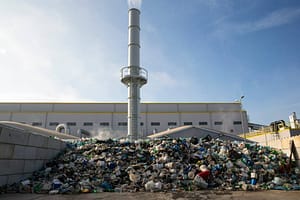
Renewable energy sources like biomass and energy-from-waste (EfW) are essential in reducing reliance on fossil fuels and minimising landfill waste. EfW plants convert waste into usable energy, supporting a circular economy by repurposing waste that would otherwise occupy landfill space.
Biomass and EfW systems help achieve a lower-carbon energy future by generating heat and power from sustainable sources. However, the combustion processes in these systems emit particulate matter (PM), acid gases, and other pollutants, creating a need for advanced filtration to control emissions effectively.
Challenges in Emissions Control for High-Temperature Applications
EfW and biomass energy production produce fine particulates (PM10 and PM2.5), nitrogen oxides (NOx), volatile organic compounds (VOCs), and dioxins, which can affect air quality and public health. The need for high-efficiency, high-temperature filtration systems is essential for managing these emissions.
Traditional bag filters and other filtration methods often fall short, as they degrade under high heat and fail to capture sub-micron particles. Glosfume’s ceramic filtration technology addresses these challenges by providing reliable filtration that withstands the demanding conditions of EfW and renewable energy operations.
Unique Emission Challenges in Renewable Energy and EfW
Composition and Temperature of EfW Emissions
Emissions from EfW processes include a mix of particulates, acid gases, and VOCs. Biomass and waste combustion generates PM10 and PM2.5 particles, which can affect respiratory health and contribute to urban smog.
EfW plants often operate at temperatures exceeding 400°C, which exceeds the durability limits of standard bag filters. Without suitable filtration, sub-micron particles and harmful gases are released into the atmosphere, presenting regulatory and health risks.
Increasing Regulatory Demands
Regulations in the UK and Europe, such as the Industrial Emissions Directive (IED), set strict emissions standards for particulate matter and acid gases from EfW plants. These regulations are designed to protect air quality and public health, necessitating advanced filtration for compliance.
EfW plants must also account for fluctuations in gas flow and temperature, which can strain conventional filtration systems. High-efficiency ceramic filtration that meets these rigorous standards is essential for EfW facilities to operate within legal limits and maintain community acceptance.
How Glosfume’s High-Temperature Ceramic Filtration Technology Solves EfW Challenges
Ceramic Filtration Media for High-Temperature Applications
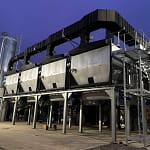
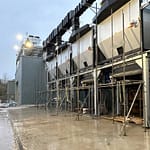
Glosfume’s ceramic filters are engineered for high-temperature resilience, capable of operating continuously at temperatures up to 1000°C, making them ideal for EfW applications where temperatures often exceed 400°C. Conventional filters like bag filters degrade quickly in these environments, while Glosfume’s ceramic filters maintain their integrity and performance.
The micro-porous structure of Glosfume’s ceramic filters captures up to 99.99% of sub-micron particles, reducing particulate emissions to less than 1 mg/m³, helping EfW facilities meet stringent emissions standards and significantly reduce pollutants released into the environment.
Integration of Dry Scrubbing Technology for Acid Gases
Glosfume’s filters offer an optional dry scrubbing system, using sodium bicarbonate or lime to neutralise acid gases such as sulphur dioxide (SO₂) and hydrochloric acid (HCl), common by-products of biomass and waste combustion. Sodium bicarbonate remains active across a wide temperature range (140°C to 450°C), ensuring scrubbing efficiency under demanding conditions.
With dry scrubbing, Glosfume’s filtration system prevents the reformation of harmful compounds, such as dioxins, by ensuring pollutant gases are neutralised at higher temperatures. This capability is essential for EfW plants seeking to maintain compliance with IED regulations while operating efficiently.
Automated Reverse-Pulse Cleaning System
Glosfume’s reverse-pulse cleaning mechanism ensures efficient operation by periodically clearing collected particulates from the ceramic filter surfaces. This automatic cleaning uses compressed air to dislodge accumulated particles, which fall into a collection tray or hopper.
The reverse-pulse cleaning system reduces filter clogging and prevents pressure build-up across the filter, minimising downtime and maintenance needs. This system’s efficiency in high-particulate environments supports uninterrupted EfW operations.
Meeting and Exceeding Regulatory Standards with Glosfume Filtration
Achieving Emission Levels Below Regulatory Limits
Glosfume’s ceramic filtration technology enables EfW plants to achieve particulate emission levels well below regulatory limits, often under 1 mg/m³. This surpasses the stringent standards of directives like the IED, allowing facilities to remain compliant while reducing their environmental footprint.
The efficiency of Glosfume’s filters allows EfW and biomass facilities to operate in air-sensitive environments and maintain a sustainable footprint, minimising the impact of particulate and gaseous emissions on surrounding communities.
Adaptability for Future Regulations and Carbon Capture
As emissions standards evolve, Glosfume’s filtration systems are designed to adapt. The modular design enables scalability and easy integration with potential future technologies, such as carbon capture systems, allowing EfW plants to prepare for future regulatory changes and possible carbon capture adoption.
Case Study: Mackintosh Institute, Glasgow – Urban Biomass Heating
Challenge
The Mackintosh Institute, located in Glasgow, was keen to install a biomass heating system to reduce its carbon footprint and embrace renewable energy. However, given its urban location and Glasgow’s strict air quality standards, there was a critical need to control emissions to ensure safe operation and obtain necessary approvals. Traditional filtration systems were inadequate for meeting the low particulate emissions required in such an urban setting.
Solution
Glosfume installed an advanced ceramic filtration system tailored for high-efficiency particulate capture and continuous operation under high temperatures. The system’s high-temperature ceramic filters were specifically chosen for their ability to capture sub-micron particles and withstand the heat generated by the biomass boiler without degradation. The filters achieved a capture efficiency of 99.99% for PM10 and PM2.5, bringing emissions below 1 mg/m³.
Additionally, Glosfume’s reverse-pulse cleaning system ensured that the filters maintained low pressure and consistent airflow, preventing filter clogging and reducing maintenance needs. The system also included an optional dry scrubbing unit for acid gases, ensuring that any acid gas emissions were neutralised effectively before release into the atmosphere.
Impact
With Glosfume’s ceramic filtration technology, the Mackintosh Institute successfully met Glasgow’s stringent air quality requirements, allowing them to operate their biomass system within the city. The Institute’s heating solution was approved, providing a reliable, renewable energy source that supports the Institute’s sustainability goals while minimising environmental impact.
This installation demonstrated Glosfume’s capability to provide emissions control for biomass heating systems in urban areas, contributing to clean air and compliance with local environmental regulations.
Key Technical Features of Glosfume’s Renewable and EfW Filtration Systems
Modular, Scalable Design for Flexible Integration
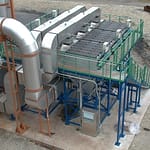
Glosfume’s modular filtration systems support facilities of all sizes, from small installations to large EfW plants. The modular design enables easy expansion as needed, reducing installation costs and accommodating custom configurations.
The compact footprint of these systems makes them ideal for installations in space-limited or urban environments, enhancing versatility across varied site constraints.
Durable Construction for Harsh Conditions
Glosfume’s ceramic filters withstand high temperatures, chemical exposure, and the harsh conditions of EfW operations. This durable construction minimises wear, extending filter life and reducing the need for replacements.
Optional trace heating and insulation maintain performance in cold climates, reducing energy costs by optimising filter temperature.
Intelligent Control System for Efficiency
The programmable logic controller (PLC) in Glosfume’s filtration systems manages fan speed, reverse-pulse cleaning cycles, and system pressure, optimising efficiency and emissions control.
Data logging and remote monitoring track performance and enable timely maintenance, reducing downtime and enhancing overall system reliability.
Environmental and Economic Benefits of Glosfume’s EfW Filtration Technology
Significant Reduction in Environmental Impact
Glosfume’s filtration technology reduces harmful emissions, including PM, acid gases, and dioxins, supporting environmental goals for cleaner air and reduced environmental footprint. By capturing over 99.99% of particulates, Glosfume’s filters help EfW and renewable energy plants operate sustainably.
Enhanced Economic Viability for EfW and Renewable Energy
By meeting emissions standards, Glosfume-enabled facilities can qualify for government incentives, adding financial value to sustainable energy installations. Additionally, the durability and low-maintenance design of ceramic filters reduce operational costs and support long-term economic efficiency.
Long-Term Cost Savings from Durability and Low Maintenance
With reliable, low-maintenance operation and efficient particle removal, Glosfume’s systems minimise downtime and associated costs. This durability and efficiency lead to significant long-term savings and help biomass facilities maintain consistent, high-quality energy production.